
Adults experiencing persistent neck pain, arm pain, or numbness often discover that the root cause lies in cervical nerve compression. When symptoms do not improve with conservative care, surgical treatment may be discussed. Two commonly referenced procedures are anterior cervical discectomy and fusion (ACDF) and cervical foraminotomy. Comprehensive Spine Care, located in New Jersey, frequently educates patients on how these procedures differ and why one option may be considered over the other. Understanding the goals, techniques, and recovery expectations of each approach can help patients feel more informed as they learn about treatment pathways for cervical spine conditions.
Understanding Cervical Nerve Compression
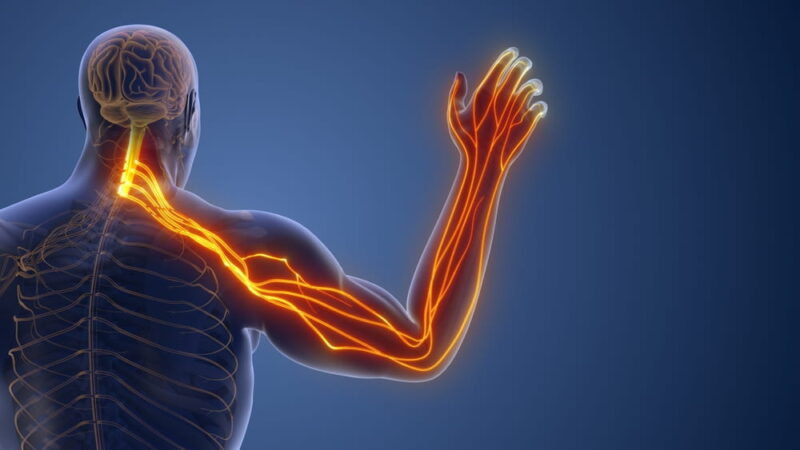
Cervical nerve compression occurs when a spinal nerve in the neck becomes irritated or pinched as it exits the spinal canal. This pressure may be caused by disc herniation, bone spurs, thickened ligaments, or degenerative changes that develop with aging. Because cervical nerves supply sensation and strength to the shoulders, arms, and hands, compression can lead to radiating pain, tingling, weakness, or coordination difficulties.
The cervical spine is designed to balance flexibility with stability. Over time, repetitive motion, posture-related strain, or injury can narrow the spaces where nerves travel. When this narrowing becomes symptomatic and interferes with daily activities, imaging studies such as MRI or CT scans may reveal the exact location and cause of nerve involvement. From there, different surgical techniques may be considered depending on whether the compression originates from the front or back of the spine and how much structural stability is affected.
Surgical approaches aim to relieve nerve pressure while preserving or restoring spinal alignment. ACDF and cervical foraminotomy both address nerve compression but do so in distinct ways, making patient-specific anatomy and pathology an important part of the discussion.
What Is Anterior Cervical Discectomy and Fusion (ACDF)?
Anterior cervical discectomy and fusion is a procedure that approaches the cervical spine from the front of the neck. During this operation, the surgeon removes a damaged or herniated disc that is compressing the spinal cord or nerve roots. After disc removal, the space is stabilized using a bone graft or implant, and the adjacent vertebrae are fused together over time.
ACDF is often discussed when nerve compression is caused by disc degeneration, large herniations, or bone spurs located at the front of the spine. By removing the disc entirely, the procedure directly addresses the source of compression while also restoring disc height, which may improve nerve space. The fusion component is designed to limit motion at the treated level, reducing mechanical stress and future irritation.
Patients learning more about anterior cervical discectomy and fusion often ask about how fusion affects neck mobility. While motion is reduced at the treated segment, many people retain a functional range of motion because the cervical spine consists of multiple levels that continue to move normally.
What Is Cervical Foraminotomy?
Cervical foraminotomy is typically performed from the back of the neck and focuses on enlarging the foramen, which is the opening where nerve roots exit the spinal canal. Rather than removing the entire disc, this procedure targets bone spurs or soft tissue that are narrowing the nerve passageway.
Because foraminotomy preserves the disc and does not involve fusion, it is often described as a motion-preserving option. It may be considered when nerve compression is limited to one side and is caused primarily by posterior structures rather than central disc pathology. By carefully removing small portions of bone or tissue, the nerve has more room to function without irritation.
This approach may not be appropriate for all patients, particularly if there is spinal instability, significant disc collapse, or compression affecting the spinal cord itself. The decision to consider foraminotomy depends on imaging findings and symptom patterns rather than a one-size-fits-all approach.
Key Differences Between ACDF and Foraminotomy
Although both procedures aim to relieve nerve compression, their techniques and long-term implications differ. ACDF involves disc removal and fusion, while foraminotomy focuses on decompression without altering spinal stability. These structural differences influence recovery, motion, and suitability for specific conditions.
ACDF may be preferred when compression is central, involves multiple structures, or affects spinal alignment. The fusion process provides stability but also changes how forces are distributed along the spine. Foraminotomy, by contrast, preserves motion but may not address all sources of compression if disc degeneration is advanced.
Another important distinction is the surgical approach. Anterior access during ACDF avoids muscle disruption in the back of the neck, while posterior foraminotomy requires working through muscles that support cervical movement. Each approach carries its own considerations related to postoperative soreness and rehabilitation timelines.
Patients who want to learn more about how cervical foraminotomy works often ask how nerve decompression can be achieved without removing the entire disc or limiting spinal motion.
Recovery Expectations and Long-Term Considerations
Recovery experiences vary based on the procedure performed, the number of levels treated, and individual health factors. After ACDF, patients typically focus on allowing the fusion to heal, which may involve activity modifications during the early healing phase. Imaging may be used over time to confirm successful fusion.
Following cervical foraminotomy, recovery often centers on muscle healing and gradual return to normal neck motion. Because fusion is not involved, some patients resume activities sooner, although this depends on symptom resolution and surgeon guidance.
Long-term considerations include how the cervical spine adapts after surgery. Fusion may increase stress on adjacent segments, while motion-preserving procedures may leave underlying degeneration in place. These factors highlight why individualized evaluation is essential when comparing treatment options.
Choosing the Right Approach for Cervical Symptoms
No single procedure is universally better than the other. ACDF and foraminotomy are tools designed for different anatomical problems. Imaging findings, symptom severity, spinal stability, and overall health all play a role in determining which option may be discussed.
Education plays a central role in helping patients understand why one approach may be suggested over another. Asking questions about goals, risks, and recovery expectations can help individuals feel more confident as they navigate decisions related to cervical spine care.
Understanding the key differences between ACDF and cervical foraminotomy provides clarity for those exploring surgical options for nerve compression. Both procedures are designed to reduce pain and improve nerve function when conservative measures are no longer effective. Comprehensive Spine Care in New Jersey emphasizes education so patients can better understand how different surgical strategies address specific spinal conditions and what factors influence treatment planning.
Sources
Bono, C. M., & Ghiselli, G. (2011). Anterior cervical discectomy and fusion. Journal of the American Academy of Orthopaedic Surgeons.
Herkowitz, H. N., Garfin, S. R., Eismont, F. J., Bell, G. R., & Balderston, R. A. (2011). Rothman-Simeone The Spine. Elsevier.
Matz, P. G., et al. (2009). Cervical laminoforaminotomy for radiculopathy. Neurosurgery.