
Why Preserving Motion in the Spine Matters
When spinal discs become damaged, the resulting pain and nerve irritation can significantly affect daily life. For many years, spinal fusion was the most common surgical approach to address severe disc problems. However, modern advancements have introduced alternatives that aim to preserve movement rather than eliminate it. At Comprehensive Spine Care in New Jersey, individuals from Westwood, Bloomfield, Bridgewater, and East Brunswick often explore how newer treatments may help maintain flexibility while addressing pain.
Artificial disc replacement (ADR) is one such option. Instead of permanently joining two vertebrae together, this procedure replaces a damaged disc with an implant designed to mimic natural motion. Understanding when disc replacement may help avoid fusion provides insight into how treatment decisions are made and why preserving mobility can be beneficial in certain cases.
What Artificial Disc Replacement Is Designed to Do
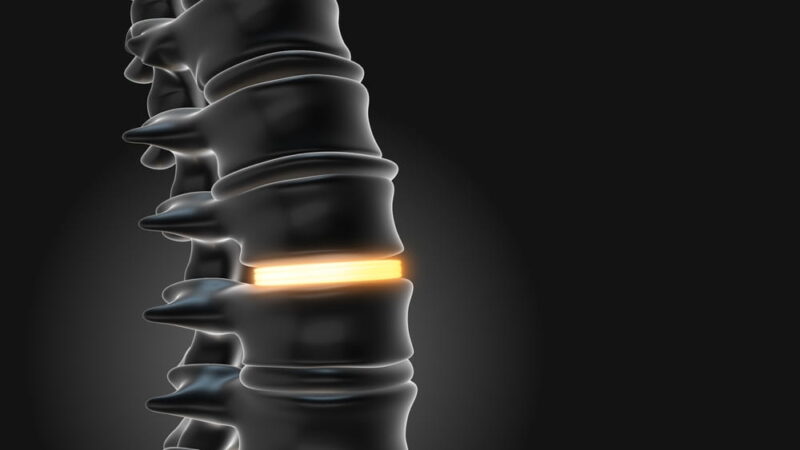
Artificial disc replacement involves removing a damaged spinal disc and inserting a prosthetic disc that allows continued movement at that level of the spine. Educational information on artificial disc replacement explains how these implants are engineered to replicate the function of a healthy disc.
The primary goal of ADR is to relieve nerve compression while maintaining normal motion. By preserving movement, the procedure may help reduce stress on adjacent spinal segments. This is an important consideration because limiting motion at one level of the spine can sometimes increase strain on neighboring discs.
Unlike fusion, which stabilizes the spine by eliminating movement, disc replacement focuses on restoring a more natural range of motion.
How Disc Replacement Differs From Fusion
Spinal fusion works by joining two vertebrae together, preventing movement at the affected level. This approach can be effective for stabilizing the spine, particularly in cases involving instability or deformity. However, the loss of motion at the fused segment can alter how forces are distributed across the spine.
Artificial disc replacement takes a different approach. By maintaining motion, it allows the spine to continue functioning more naturally. This distinction is especially important for individuals who want to maintain flexibility for daily activities.
Fusion may still be necessary in certain situations, but disc replacement offers an alternative when stability is sufficient and motion preservation is a priority.
Conditions Where Disc Replacement May Be Considered
Artificial disc replacement is typically evaluated for individuals with disc-related pain that has not improved with conservative care. One common condition associated with disc damage is a herniated disc, where disc material presses against nearby nerves.
Disc degeneration can also contribute to symptoms such as pain, stiffness, and reduced mobility. When the primary issue is isolated to the disc itself, and the surrounding structures remain stable, disc replacement may be considered as a treatment option.
However, not all patients are candidates. Conditions involving significant instability, such as spondylolisthesis, may require stabilization rather than motion preservation. In these cases, fusion may still be the more appropriate approach.
How Disc Replacement Helps Maintain Mobility
One of the key advantages of artificial disc replacement is its ability to preserve motion. The implanted disc is designed to move in a way that closely resembles a natural disc, allowing bending, rotation, and flexibility.
Maintaining motion at the treated level may help support overall spinal mechanics. When movement is preserved, adjacent segments may experience less compensatory stress. This can be particularly important for long-term spinal health.
For individuals who lead active lifestyles or wish to maintain a wide range of motion, this aspect of disc replacement can be an important consideration.
The Role of Disc Health in Nerve Compression
Disc damage often leads to nerve compression, which can cause symptoms such as pain, numbness, or weakness. When a disc loses height or structure, the space available for nerves may decrease.
Conditions such as spinal stenosis can further contribute to narrowing around nerve pathways. In these cases, relieving pressure on the nerves becomes a central goal of treatment.
Disc replacement addresses this issue by removing the damaged disc and restoring height to the space between vertebrae. This may help reduce nerve compression while maintaining movement.
How Surgeons Determine Candidacy for ADR
Determining whether artificial disc replacement is appropriate involves a detailed evaluation of the spine. Imaging studies such as MRI and X-rays help assess disc condition, alignment, and stability.
Surgeons evaluate whether the primary source of symptoms is the disc itself or whether other structures are involved. For example, if joint degeneration or instability is present, motion-preserving procedures may not be suitable.
In some cases, less invasive procedures such as microdiscectomy may be considered first to relieve nerve pressure. Disc replacement is typically evaluated when more advanced disc degeneration is present.
Benefits Associated With Artificial Disc Replacement
Artificial disc replacement offers several potential advantages when used in appropriate cases:
• Preservation of natural spinal motion
• Reduced stress on adjacent spinal levels
• Maintenance of disc height and alignment
• Potential for improved flexibility compared to fusion
• Targeted relief of nerve compression
These benefits highlight why disc replacement may be considered as an alternative to fusion in selected patients.
Recovery and Long-Term Considerations
Recovery following artificial disc replacement varies depending on individual health and the condition being treated. Patients are often encouraged to gradually return to normal activities while allowing the body to adjust to the implant.
Physical therapy may help restore strength and flexibility, supporting long-term spinal function. Maintaining healthy movement patterns and posture can also contribute to ongoing spine health.
Long-term outcomes depend on factors such as implant function, spinal alignment, and overall health. Regular follow-up evaluations help monitor how the spine responds over time.
When Motion Preservation May Be the Better Option
Artificial disc replacement represents an important advancement in spine care, offering a way to address disc-related pain while preserving movement. By maintaining flexibility and reducing stress on surrounding structures, ADR may help support long-term spinal function in appropriate cases. Comprehensive Spine Care in New Jersey supports patient education for individuals in Westwood, Bloomfield, Bridgewater, and East Brunswick who want to better understand when disc replacement may be considered as an alternative to fusion and how it contributes to maintaining mobility.
Sources
Guyer RD, et al. (2009). Intervertebral disc prostheses. Spine.
Phillips FM, et al. (2013). Lumbar total disc replacement outcomes. Spine.
Harrop JS, et al. (2008). Cervical disc arthroplasty: clinical outcomes. Neurosurgery.