
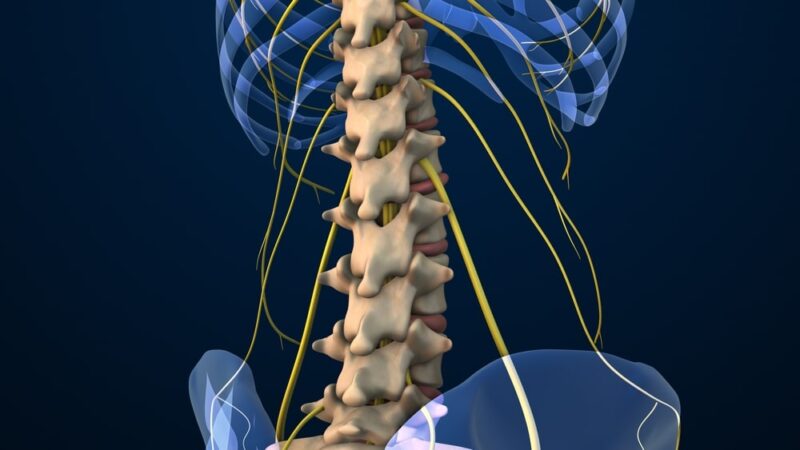
How Nerve Compression Develops in the Spine
Many adults begin noticing subtle changes in their comfort, coordination, or mobility long before they realize that pressure on a spinal nerve may be forming. The nerves that exit the cervical, thoracic, and lumbar spine supply sensation and strength to the arms, trunk, and legs. When these nerves become irritated or pinched, even slightly, early warning signs often appear before more significant symptoms develop. Understanding where spinal nerves travel and how they function helps explain why small mechanical changes can create noticeable shifts in everyday movement.
Nerves are most commonly compressed when surrounding structures narrow or shift. A disc that bulges or herniates outward may begin pressing against a nerve root, which is one reason many adults explore information about a herniated disc when symptoms first appear. Bone spurs, inflammation from arthritis, and thickened ligaments may also create pressure, particularly in the cervical and lumbar regions. Recognizing these mechanical contributors allows individuals to connect early sensations with changes occurring inside the spine.
Subtle Symptoms That May Signal Early Nerve Compression
Nerve-related symptoms often begin gradually, and many adults dismiss the earliest signs as temporary stiffness or muscle strain. However, the initial changes are meaningful indicators that pressure may be developing along the nerve pathway. One of the earliest symptoms is intermittent tingling—often described as “pins and needles”—in the hands, fingers, feet, or toes. This sensation may come and go, appear only in certain positions, or develop after long periods of sitting or standing.
A second early sign is mild numbness, which may feel like a reduced ability to sense texture, temperature, or light touch in a specific pattern. Because each spinal nerve serves a predictable region of skin, these patches of numbness can help identify where compression may be occurring. Subtle weakness may also emerge when nerve signals to a muscle become impaired. Adults may notice difficulty gripping objects, rising from a chair, or lifting the leg during walking.
These early symptoms often fluctuate, making them easy to overlook. However, recognizing these warning signs before they worsen may help reduce the risk of long-term nerve irritation.
How Movement and Position Can Reveal Hidden Nerve Irritation
Spinal nerves respond to changes in posture, load, and movement. When compression is mild, symptoms may only appear during specific motions that increase pressure along the nerve pathway. Leaning forward, bending backward, or turning the head may recreate tingling or numbness, giving a clue as to where the nerve is being irritated.
In the lumbar spine, early symptoms sometimes resemble those associated with spinal stenosis—a narrowing of the spinal canal that may compress one or more nerves. Individuals may feel relief when leaning forward, such as when using a shopping cart, because this position slightly opens the space around the nerves. Others may find that standing upright or walking for long periods triggers tingling or leg heaviness.
In the cervical spine, turning or tilting the head may reproduce symptoms in the shoulder, arm, or hand. Understanding how posture and movement influence early nerve compression helps adults identify symptom patterns and explain them clearly during a medical evaluation.
Why Early Recognition Matters
Nerve compression tends to progress gradually as inflammation increases or structural changes continue. When early symptoms go unnoticed or untreated, compression may worsen, leading to more persistent dysfunction. Recognizing early tingling, numbness, or weakness allows individuals to explore evaluation sooner, which may prevent long-term nerve irritation.
Early awareness is also important because nerve compression often coexists with other spinal conditions. Disc degeneration, facet joint changes, and ligament thickening may all contribute to narrowing around nerve roots. In some cases, slippage of a vertebra, known as spondylolisthesis, may also cause nerve pressure that progresses over time. When individuals understand how multiple spinal structures interact, it becomes easier to appreciate why symptoms evolve.
Timely recognition allows patients to address posture habits, alter repetitive motions, and consider nonsurgical interventions. Many people begin with conservative measures such as stretching, strengthening exercises, or guided therapy recommended through physiatry and pain management. These strategies aim to reduce inflammation, improve mobility, and support healthier nerve function.
When to Consider a Medical Evaluation
While mild tingling or transient numbness may seem harmless, these early symptoms provide valuable information about developing nerve compression. Individuals should consider seeking an evaluation when symptoms:
• Occur repeatedly during specific movements
• Involve numbness that persists for more than a few minutes
• Include weakness in the arms or legs
• Affect coordination, balance, or fine motor skills
• Interfere with daily tasks such as gripping objects or walking
A thorough exam often includes a review of symptoms, assessment of reflexes and strength, and imaging studies when needed. Identifying the cause of compression early helps guide appropriate treatment choices and reduces the risk of prolonged nerve irritation.
Conclusion
Early detection of nerve compression allows adults to act before symptoms progress and daily activities become more challenging. By recognizing subtle changes—such as tingling, numbness, or positional weakness—individuals can better understand how their spine is functioning and when to seek guidance. Educational resources help clarify how posture, movement, and spinal anatomy contribute to nerve irritation, making it easier to take proactive steps toward long-term spine health.
Sources
Jensen, R. K., Manniche, C., Leboeuf-Yde, C. (2010). Low back pain with leg pain: the clinical pattern and its relationship to underlying pathology. BMC Musculoskeletal Disorders.
Wainner, R. S., Fritz, J. M. (2003). Reliability and diagnostic accuracy of clinical tests for cervical radiculopathy. Spine.
Kreiner, D. S., Hwang, S. W., Easa, J. E. et al. (2014). Evidence-based clinical guidelines for the diagnosis and treatment of cervical radiculopathy. The Spine Journal.