
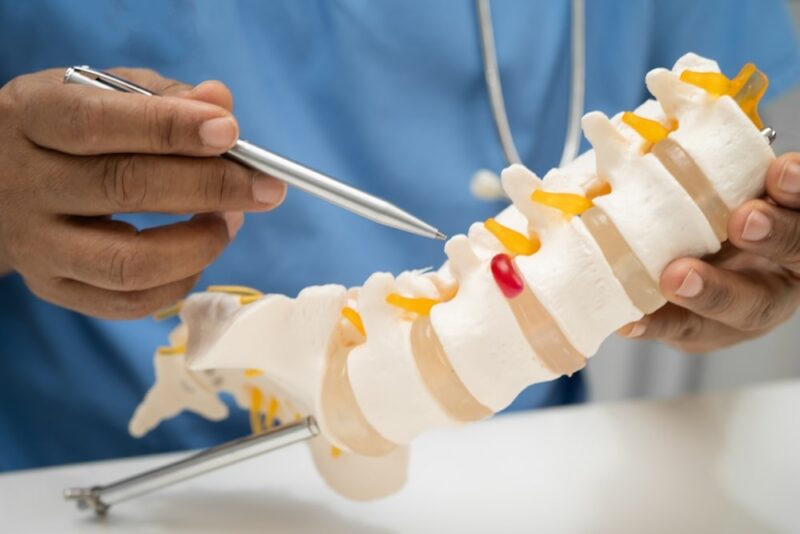
How Herniated Discs Begin to Heal
Many adults are surprised to learn that a significant number of herniated discs improve without surgery. As discomfort fades and mobility begins to return, patients often wonder how their symptoms can change so dramatically over time. The explanation lies in the biology of disc tissue, the immune system’s role in healing, and the body’s ability to reduce inflammation around irritated nerves. When individuals first explore the mechanics behind herniated disc pain, they frequently review foundational information about herniated discs to understand why symptoms develop and how healing occurs.
When disc material presses against a spinal nerve, inflammation is a major contributor to pain. Even before the disc fragment shrinks or changes shape, the body may begin reducing swelling around the nerve root. As inflammation decreases, the nerve experiences less irritation, often leading to gradual improvement in discomfort, tingling, or radiating symptoms. Understanding this process helps explain why symptoms may fluctuate day-to-day but trend toward improvement over weeks or months.
Why the Body Can Reabsorb Herniated Disc Material
One of the most fascinating aspects of disc healing is the body’s ability to reabsorb or shrink the protruding disc fragment. This process, known as resorption, happens when the immune system recognizes displaced disc material as foreign and begins breaking it down. Over time, macrophages and inflammatory cells digest parts of the herniation, reducing its size and relieving pressure on the nerve.
Resorption is most common when disc material has extruded beyond its normal boundaries. The farther the fragment travels, the more accessible it becomes to immune cells that promote breakdown. Adults often notice that as the body begins to reabsorb disc material, nerve-related symptoms—such as shooting pain into the leg or arm—start to ease. This natural process explains why many herniated discs improve without surgical intervention, especially in the early stages of healing.
Conservative care also supports resorption. Techniques offered through physiatry and pain management, including targeted exercise, inflammation control, and guided therapy, can help reduce pressure on the affected nerve and allow the body to work more efficiently.
The Role of Inflammation in Symptom Relief
Although inflammation initially causes pain, it also plays a critical part in the healing process. When a disc herniates, the body responds by sending immune cells to the injury site. These cells help break down damaged tissue and clear debris. As the inflammation subsides, nerve irritation decreases, often leading to noticeable improvements in symptoms.
Many adults observe that movements once limited by pain—such as bending, walking, or sitting—become easier during recovery. This does not necessarily mean the disc has returned to its original shape. Instead, reduced inflammation around the nerve root allows the area to recover from compression. As the swelling diminishes, impulses travel more freely along the nerve, resulting in less numbness, tingling, or weakness.
While inflammation is a natural part of recovery, excessive or prolonged swelling can prolong symptoms. Identifying when inflammation has persisted too long often helps determine whether additional treatment or evaluation is needed.
Lifestyle Factors That Support Natural Disc Healing
As the body works to reduce inflammation and reabsorb disc material, certain lifestyle habits can support the healing process. These practices help minimize stress on the spine and promote healthier movement patterns. Many adults with herniated discs adopt strategies recommended during conservative care, which often include:
• Incorporating gentle core-strengthening exercises
• Avoiding prolonged sitting or awkward postures
• Applying controlled heat or cold to reduce muscle tension
• Following stretching routines that support spinal flexibility
• Taking short, frequent walks to improve circulation
These adjustments can ease pressure on the irritated nerve and help patients remain active without worsening symptoms. When combined with clinical therapies such as guided strengthening or targeted injections, lifestyle changes often accelerate symptom relief and reduce the need for surgical intervention.
When Natural Healing May Not Be Enough
Although many herniated discs heal on their own, not every case follows the same path. Some individuals experience persistent weakness, difficulty walking, or worsening numbness despite conservative care. Structural changes that significantly compress a nerve root or spinal cord may also limit the body’s ability to heal independently.
In situations where natural healing has plateaued, surgical consultation may be appropriate. Many adults explore options such as a microdiscectomy when nerve compression remains severe or symptoms become disabling. While surgery is not necessary for most herniated discs, understanding when to consider it helps individuals make informed decisions about long-term spine health.
Understanding Why Symptoms Improve Over Time
Even when the disc does not fully return to its original position, surrounding tissues often adapt as inflammation decreases. Nerves that were once overly sensitive may begin to tolerate movement again, while muscles that tightened protectively during the initial injury may gradually relax. These changes create a positive cycle: reduced nerve irritation allows more normal movement, which in turn supports circulation, flexibility, and healing.
Because disc degeneration and herniation can progress differently for each individual, recovery timelines vary. Some people improve within weeks, while others may notice gradual changes over several months. Recognizing this variability helps set realistic expectations and reduces frustration during the healing process.
Conclusion
Many herniated discs improve naturally thanks to the body’s ability to reduce inflammation, reabsorb disc material, and restore healthier nerve function. Understanding how these processes work empowers individuals to recognize progress, support healing through everyday habits, and identify when further evaluation may be needed. For adults throughout Westwood, Bloomfield, Bridgewater, and East Brunswick areas of New Jersey, this knowledge provides a clearer path toward managing symptoms confidently and making informed decisions about long-term spine health.
Sources
Chiu, C. C., Chuang, T., Chang, K. H. et al. (2015). The probability of spontaneous regression of lumbar herniated disc: A systematic review. Clinical Rehabilitation.
Komori, H., Shinomiya, K., Nakai, O. et al. (1996). The natural history of lumbar disc herniation. Spine.
Autio, R. A., Karppinen, J., Niinimäki, J. et al. (2006). Determinants of spontaneous resorption of intervertebral disc herniation. Spine.