
How Spinal Tumors Influence the Entire Nervous System
Spinal tumors are often associated with back pain, but their effects can extend far beyond the spine itself. Because the spinal cord and surrounding nerves serve as communication pathways between the brain and the rest of the body, any disruption in this area may influence multiple body systems. At Comprehensive Spine Care in New Jersey, individuals from Westwood, Bloomfield, Bridgewater, and East Brunswick sometimes seek information about spinal tumors when symptoms appear that affect movement, sensation, or overall neurological function.
A spinal tumor develops when abnormal cells grow within or around the structures of the spine. Some tumors arise directly from spinal tissues, while others spread from cancers located elsewhere in the body. Regardless of their origin, these growths can place pressure on the spinal cord or nearby nerve roots. When that pressure interferes with nerve signaling, symptoms may appear in areas far removed from the back itself. Understanding how spinal tumors influence the body helps explain why symptoms sometimes involve weakness, coordination difficulties, or changes in sensation.
What Spinal Tumors Are and Where They Occur
Spinal tumors can form in several different locations along the spinal column. Some develop within the vertebrae, the bones that make up the spine. Others arise inside the protective coverings of the spinal cord or within the cord itself. These differences affect how tumors interact with nerves and spinal structures.
Educational resources on spinal tumors explain that tumors may be classified as primary or metastatic. Primary tumors originate within the spine, while metastatic tumors spread from other areas of the body. Although spinal tumors are relatively uncommon compared with other spinal conditions, they are important to evaluate because of their potential impact on neurological function.
The location of a tumor along the spine also influences symptoms. Tumors in the cervical region may affect the arms and hands, while tumors in the thoracic or lumbar regions can influence the legs or trunk. Because the spinal cord connects the brain to the rest of the nervous system, pressure in one location may produce symptoms in multiple parts of the body.
How Spinal Tumors Affect Nerve Function
The spinal cord acts as a central highway for nerve signals traveling between the brain and the body. When a tumor presses on this structure, it can interfere with the transmission of these signals. Even small disruptions in nerve communication may affect movement, sensation, or reflexes.
As tumors grow, they may compress nearby nerve roots that exit the spine. These nerves carry signals that control muscle movement and transmit sensory information such as touch or temperature. When compression occurs, individuals may experience symptoms such as tingling, numbness, or weakness in specific areas of the body.
The effects depend on which nerves are involved. Compression in the lower spine may influence leg strength, while pressure higher in the spinal cord may affect coordination or arm function. Because nerves are responsible for controlling muscles and sensory perception, symptoms often extend well beyond the original tumor site.
Symptoms That May Appear Outside the Back
Although persistent back pain is a common early symptom, spinal tumors frequently produce other signs as well. Changes in nerve signaling may lead to symptoms affecting different parts of the body.
Some individuals experience weakness in the arms or legs. This weakness may develop gradually as pressure on the spinal cord increases. In certain cases, walking may become more difficult or balance may feel less stable.
Sensory changes are another possible symptom. Nerve compression can cause numbness, tingling, or altered sensation in the hands, feet, or trunk. These sensations may appear before significant pain develops.
Tumors may also influence reflexes or coordination. Because the spinal cord helps regulate reflex pathways, pressure on these structures can alter the body’s normal responses. Some people notice stiffness, clumsiness, or reduced dexterity when performing tasks that require precise movements.
How Spinal Tumors Can Affect Mobility
Movement depends on a coordinated relationship between the brain, spinal cord, nerves, and muscles. When tumors disrupt this communication system, mobility may be affected.
Pressure on nerves responsible for muscle control may cause weakness or fatigue in the limbs. Over time, this may interfere with activities such as walking, climbing stairs, or lifting objects. In more advanced situations, compression of the spinal cord can affect coordination and balance.
Tumors located in the lumbar spine may produce symptoms in the hips or legs. This occurs because nerve roots in the lower spine connect directly to the muscles responsible for leg movement. Similar patterns can occur in the cervical spine, where nerve compression may influence arm or hand function.
Why Early Evaluation Is Important
Because spinal tumors can affect multiple body systems, recognizing early symptoms is important. Persistent back pain that worsens at night, progressive weakness, or unexplained neurological symptoms often prompt further evaluation.
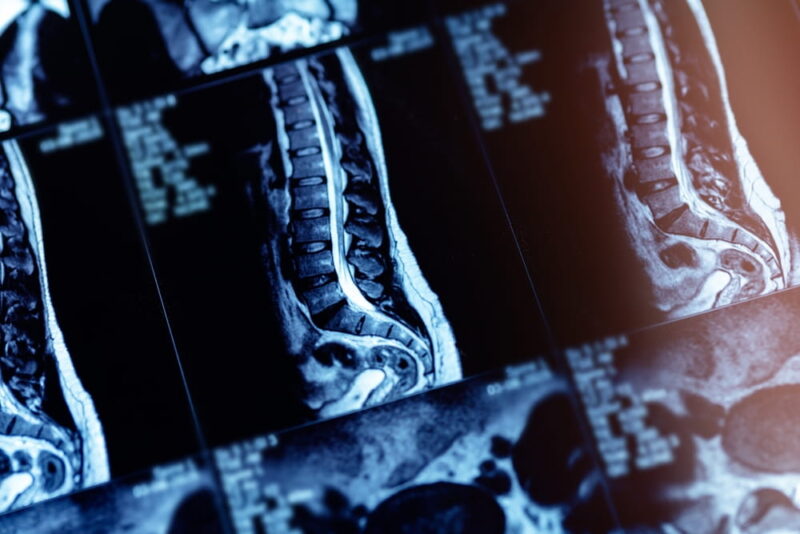
Diagnosis typically begins with a physical examination and neurological assessment. Imaging tests provide detailed information about the spine’s structure. MRI scans are commonly used to visualize soft tissues, including tumors and nerve structures. These images allow physicians to determine the tumor’s location, size, and relationship to the spinal cord.
In some cases, additional imaging or diagnostic tests may be needed to determine whether a tumor originated in the spine or spread from another part of the body. Accurate diagnosis is essential for developing an appropriate treatment strategy.
Treatment Approaches for Spinal Tumors
Treatment for spinal tumors varies depending on the tumor’s type, location, and effect on surrounding structures. Some tumors require surgical removal to relieve pressure on the spinal cord or nerves. Surgery may also be used to stabilize the spine if the tumor has weakened bone structures.
In certain cases, additional therapies such as radiation or chemotherapy may be used to control tumor growth. These treatments are often coordinated with oncology specialists when tumors originate from other areas of the body.
When tumors cause structural instability in the spine, stabilization procedures may be considered to support spinal alignment. Fusion techniques may help restore stability after tumor removal or when vertebral structures are compromised.
Supporting Neurological Health During Treatment
Managing spinal tumors often involves monitoring neurological function throughout treatment and recovery. Protecting nerve health is an important part of maintaining mobility and independence.
Rehabilitation may include physical therapy to support strength and coordination. Therapists may focus on restoring balance, improving walking patterns, and strengthening muscles affected by nerve compression.
Pain management strategies can also help reduce discomfort associated with tumor-related nerve irritation. In some situations, supportive care focuses on maintaining function while minimizing symptoms.
Everyday Signs That Should Prompt Medical Attention
Certain symptoms may indicate that nerve structures in the spine require further evaluation. Individuals experiencing the following changes should consider seeking medical assessment:
• Progressive weakness in the arms or legs
• Persistent numbness or tingling in the limbs
• Difficulty walking or maintaining balance
• Loss of coordination or fine motor control
• Back pain that worsens at night or does not improve with rest
These symptoms do not always indicate a tumor, but they may suggest that spinal nerves are under pressure and require evaluation.
Understanding the Broader Impact of Spinal Tumors
Spinal tumors illustrate how closely the spine is connected to overall neurological health. Because the spinal cord serves as a communication pathway between the brain and body, changes within the spine can influence movement, sensation, and coordination throughout the body. Learning how spinal tumors affect nerve pathways helps individuals understand why symptoms sometimes extend beyond the back. Comprehensive Spine Care in New Jersey supports patient education for individuals in Westwood, Bloomfield, Bridgewater, and East Brunswick who want to better understand how spinal tumors may influence the body and why early evaluation plays an important role in protecting neurological function.
Sources
Chamberlain MC (2010). Metastatic spinal cord tumors. Neurologic Clinics.
Schiff D, O’Neill BP (1996). Intramedullary spinal cord metastases. Neurology.
Cole JS, Patchell RA (2008). Metastatic epidural spinal cord compression. Lancet Neurology.