
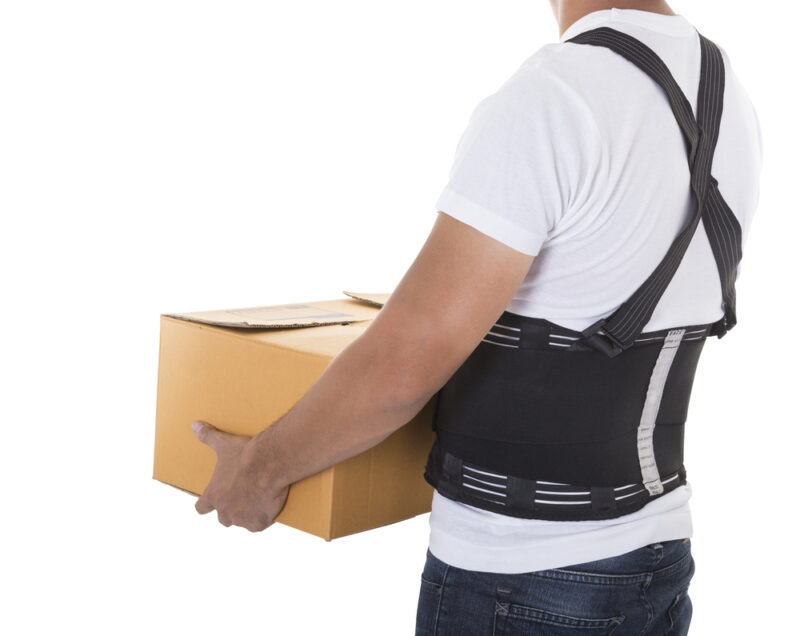
Lifting heavy objects is something many of us do without much thought, whether it’s carrying groceries, moving furniture, or handling equipment at work. Yet, improper lifting is one of the most common causes of back pain and spinal injuries. The good news is that with the right techniques and a few simple precautions, you can protect your spine, reduce strain, and avoid painful setbacks. This blog will guide you through safe lifting practices, lifestyle habits that support spinal health, and what to do if you experience discomfort, so you can move confidently without risking injury.
In This Blog:
- Understanding the Risks of Improper Lifting
- Preparing Your Body Before Lifting
- Proper Lifting Techniques
- When and How to Use Lifting Aids
- Lifestyle Habits That Protect Your Spine
- What to Do if You Experience Pain
Understanding the Risks of Improper Lifting
Improper lifting consists of bending at the waist or twisting your back. When you lift something heavy the wrong way, you place enormous pressure on the spine and surrounding muscles. This strain can lead to common injuries like muscle pulls, ligament sprains, herniated discs, or even long-term spinal misalignment. Many of these injuries don’t happen suddenly; instead, repeated poor lifting habits can gradually weaken the spine until one wrong movement causes significant pain. By recognizing the risks, you’ll see why proper technique is essential not just for heavy lifting at work, but for everyday tasks like picking up a child or moving a box at home.
Preparing Your Body Before Lifting
Just like athletes warm up before a game, preparing your body before lifting makes a big difference in protecting your back. Begin by stretching your legs, hips, and lower back to improve flexibility. Take a moment to engage your core muscles by gently pulling your belly button in toward your spine. This helps to stabilize and protect your back. Proper footwear is another overlooked factor. Shoes with good grip and support give you a strong foundation and reduce your chance of slipping or straining. Even taking a deep breath before you lift can help you brace your body, stay balanced, and avoid unnecessary pressure on your spine.
Proper Lifting Techniques
The way you lift an object matters just as much as the weight itself. To protect your back, follow these simple steps:
- Get close to the object. Standing too far away makes the lift harder and increases back strain.
- Bend at your hips and knees, not your waist. Squatting down keeps your back straight and puts the work on your stronger leg muscles.
- Keep your chest up and shoulders back. This helps maintain a neutral spine position.
- Lift with your legs. Your legs are designed to handle heavy loads, whereas your back is not. Push through your heels as you stand up.
- Hold the object close to your body. The closer the weight is to your center, the easier it is to control.
- Avoid twisting. If you need to turn, pivot with your feet instead of twisting your spine.
A good rule of thumb: if you can’t lift the object safely using these steps, it’s time to use equipment or ask for help.
When and How to Use Lifting Aids
Even with perfect form, some loads are simply too heavy or awkward to manage alone. That’s where lifting aids come in. Tools like dollies, carts, hand trucks, or lifting straps can reduce strain on your spine and make the job safer. For larger items like furniture or appliances, consider sliding instead of lifting, or using protective sliders under the object. And don’t forget the value of teamwork. Asking a friend or coworker for help is not a sign of weakness, but a smart way to protect your back. Always listen to your body; if something feels too heavy, it probably is.
Lifestyle Habits That Protect Your Spine
Safe lifting starts with a healthy spine. Building strong core and back muscles through regular exercise gives your body the support it needs when you’re faced with heavy loads. Activities like yoga, Pilates, or simple core workouts can go a long way in strengthening the muscles that stabilize your spine. Maintaining a healthy weight is also important since extra weight puts added pressure on your lower back and makes lifting harder. Posture matters too: whether you’re sitting at a desk, standing in line, or walking, keeping your shoulders back and spine aligned trains your body to move safely in all situations. By making these habits part of your daily routine, you’ll set yourself up for long-term back health.
What to Do if You Experience Pain
Even with the best precautions, sometimes lifting can lead to soreness or strain. If you feel discomfort, start by resting your back and applying ice during the first 24–48 hours to reduce inflammation. After that, gentle heat or stretching may help relax stiff muscles. Over-the-counter pain relievers can also ease minor aches, but avoid rushing back into heavy lifting too soon. Watch for warning signs like sharp or radiating pain, numbness, or weakness in your legs, as these may signal a more serious injury such as a herniated disc. If symptoms persist or worsen, it’s important to seek medical attention from a spine specialist. Early treatment can prevent a small issue from turning into a long-term problem.
Conclusion
Lifting heavy objects doesn’t have to mean risking back pain. By understanding the risks, preparing your body, using proper lifting techniques, and adopting healthy lifestyle habits, you can protect your spine and keep it strong for years to come. And if discomfort does arise, knowing how to care for your back, and when to seek help, can make all the difference in your recovery. Your spine supports everything you do, so taking a few extra precautions is an investment in your long-term health and mobility.
At Comprehensive Spine Care, our team of spine specialists in New Jersey and New York is dedicated to helping you prevent and manage back pain with expert care. Whether you’ve experienced a recent lifting injury or want to learn strategies to protect your spine, we offer advanced diagnostics and personalized treatment options to keep you moving safely. Don’t let back pain slow you down—contact Comprehensive Spine Care today to schedule your consultation and take the first step toward lasting relief.