
Understanding What Minimally Invasive Spine Surgery Involves
Adults experiencing chronic or worsening neck or back pain often start researching options that balance effective symptom relief with reduced recovery time. In communities such as Westwood, Bloomfield, Bridgewater, and East Brunswick, many individuals turn to educational resources to understand how minimally invasive spine surgery works and whether they may qualify for it. These procedures use small incisions and specialized techniques designed to minimize muscle disruption and irritation while still treating the underlying cause of discomfort.
A common diagnosis associated with minimally invasive techniques is a herniated disc, a condition that can create nerve compression and radiating pain into the arms or legs. When conservative measures no longer provide relief, some people may become candidates for a microdiscectomy performed through a targeted corridor that removes only the disc material affecting the nerve. Understanding the relationship between symptoms, nerve pressure, and surgical access helps adults evaluate whether this style of procedure aligns with their needs and expectations.
Conditions That May Qualify for Minimally Invasive Techniques
Many individuals exploring spine treatment want to know which diagnoses respond well to minimally invasive surgery. Herniated discs remain one of the most common, but they are far from the only condition evaluated. Narrowing of the spinal canal, known as spinal stenosis, may also be treated through minimally invasive decompression when nerve pathways become constricted. This diagnosis often leads to leg numbness, heaviness, or reduced walking endurance—symptoms that prompt adults to seek educational guidance about available interventions.
Another group of patients includes those diagnosed with spondylolisthesis, a condition in which one vertebra shifts forward and may cause nerve compression or mechanical back pain. The severity of slippage, how much movement contributes to symptoms, and the presence of instability all shape whether a minimally invasive approach may be reasonable.
Across New Jersey, many individuals learning about these diagnoses want clarity not just on the procedure itself, but on the reasoning behind candidacy decisions. Incorporating general information about local evaluation processes—such as those used at Comprehensive Spine Care in Westwood, NJ—helps patients understand how these approaches apply to real-world scenarios.
Factors That Help Determine Candidacy
Candidacy for minimally invasive spine surgery depends on multiple factors that extend well beyond the diagnosis. Providers evaluate how long symptoms have persisted, which daily activities are limited, and how conservative treatments—such as physical therapy, stretching routines, injections, or activity modification—have influenced discomfort. If these nonsurgical measures do not resolve pain, numbness, or weakness, a more in-depth conversation about surgical options may take place.
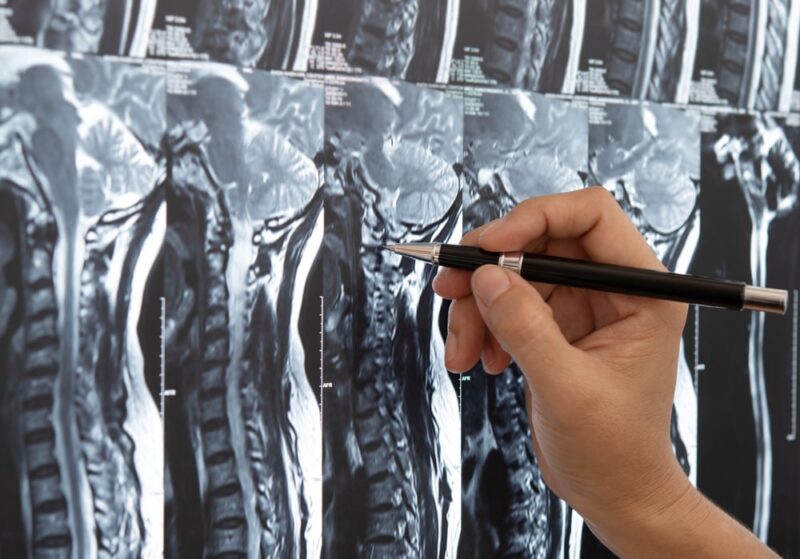
Physicians then review imaging studies to identify whether structural issues correlate with symptoms. MRI findings help determine the feasibility of reaching compressed nerves or damaged discs through a minimally invasive pathway. Age, bone quality, and overall health also play supportive roles in candidacy, as these factors influence healing and recovery expectations. Some adults undergo a candidacy evaluation as part of a workers’ comp assessment when spine conditions develop after workplace injuries, and this process provides additional structure for documenting functional limitations and long-term needs.
Understanding these assessment steps helps individuals feel more prepared when discussing minimally invasive options and asking questions during a consultation.
When Conservative Measures Have Not Provided Relief
Pain associated with herniated discs, stenosis, or vertebral slippage does not automatically lead to surgery. Many adults spend months experimenting with nonsurgical care plans to determine whether function and comfort can improve without an operation. These efforts may include structured physical therapy, home exercise routines, posture adjustments, ergonomic changes, or guided rest periods.
If the body does not respond to these methods, minimally invasive surgery may enter the discussion as a next consideration. Ongoing nerve compression—especially when accompanied by worsening numbness, radiating pain, or reduced mobility—often signals that the structural issue may require more direct intervention. Understanding when to move from observation to surgical evaluation helps individuals avoid unnecessary delays in seeking appropriate care.
What to Expect During a Minimally Invasive Surgery Evaluation
When adults make an appointment to explore minimally invasive spine surgery, they can expect an evaluation that focuses on symptoms, mobility, and imaging findings. Providers assess flexibility, strength, reflexes, and sensation to identify patterns that match specific spinal conditions. These physical findings help correlate daily limitations with the structures seen on MRI or CT scans.
Patients also receive explanations about how minimally invasive access works—such as the use of tubular retractors, targeted visualization tools, and smaller incisions designed to limit tissue disruption. Understanding these procedural details helps individuals envision what recovery may look like, including temporary activity restrictions, walking frequency, pain-management expectations, and the anticipated timeline for returning to daily routines. Many adults find that education about the evaluation process itself helps demystify surgery and supports clearer decision-making.
Practical Steps to Prepare for Possible Surgery
As individuals explore their candidacy for minimally invasive surgery, preparing for both the consultation and the potential recovery period can support a smoother experience. A few practical steps include:
• Reviewing which treatments have already been attempted and how they affected symptoms
• Gathering imaging studies or previous medical records before the appointment
• Preparing a list of questions about activity restrictions, recovery expectations, and long-term outcomes
• Arranging short-term support at home in case surgery is recommended
• Planning ahead for adjustments in work, driving, or childcare during early recovery
These practical considerations help adults participate actively in their care decisions and create a supportive environment should surgery be the recommended next step.
Conclusion
Minimally invasive spine surgery offers a modern approach for individuals whose symptoms persist despite conservative care and whose imaging supports a targeted intervention. Learning about candidacy criteria, evaluation processes, and recovery expectations empowers adults to make informed decisions about their spine health. For those throughout New Jersey seeking reliable educational guidance on spine treatment options, Comprehensive Spine Care in Westwood, NJ remains a valuable resource for understanding how minimally invasive techniques may fit into long-term wellness goals.
Sources
Kreiner DS, Hwang SW, Easa JE et al. (2014). An evidence-based clinical guideline for the diagnosis and treatment of lumbar disc herniation with radiculopathy. The Spine Journal.
Mummaneni PV, Walker CT, Sankaranarayanan S et al. (2020). Minimally invasive spine surgery for degenerative lumbar disease. Neurosurgery.
Basile P, Glennie RA, Ravi B et al. (2023). Outcomes of minimally invasive versus open lumbar fusion: A systematic review and meta-analysis. Spine.