
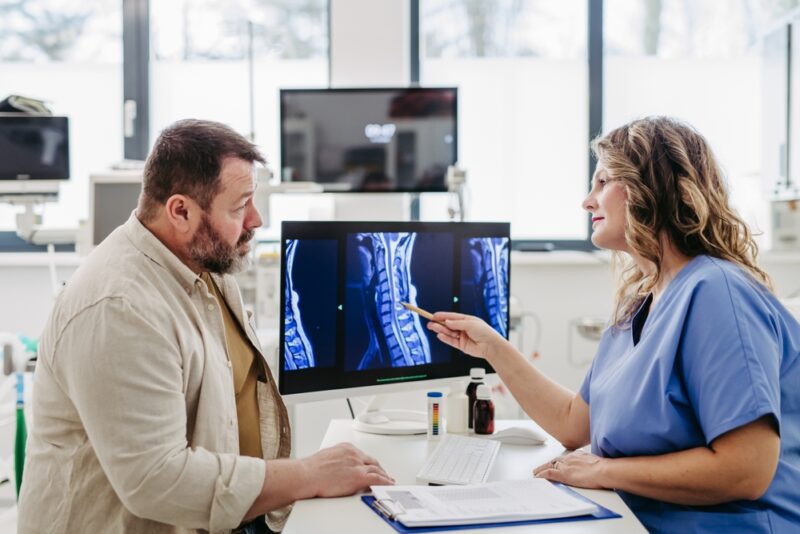
Obesity is a growing health challenge that affects nearly every system in the body, including the spine. While many people are aware of the risks obesity poses to heart health or diabetes, fewer recognize its significant impact on spinal function and overall musculoskeletal well-being. Excess weight places added stress on the spine’s supporting structures, leading to pain, reduced mobility, and an increased risk of chronic conditions like herniated discs or spinal arthritis. In this blog, we’ll explore how obesity contributes to spinal problems and share practical strategies for managing weight to support a healthier, more resilient spine.
In This Blog:
- Understanding the Spine’s Role in the Body
- How Obesity Affects Spine Health
- Common Spine Conditions Linked to Obesity
- The Vicious Cycle: Pain, Inactivity, and Weight Gain
- Strategies for Managing Weight to Improve Spine Health
- When to Seek Medical Help
- Long-Term Benefits of Weight Management for the Spine
Understanding the Spine’s Role in the Body
The spine is the central support structure of the body, providing both stability and flexibility. It allows for movement, supports body weight, and protects the spinal cord, which carries vital nerve signals between the brain and the rest of the body. Composed of 33 vertebrae, intervertebral discs, ligaments, and muscles, the spine works in harmony with surrounding structures to maintain posture and balance. When functioning properly, the spine absorbs shock and distributes mechanical loads evenly. However, any disruption to this balance, such as excessive weight, can strain the spine and lead to dysfunction.
How Obesity Affects Spine Health
Obesity places excessive mechanical and biological stress on the spine, affecting both its structure and function. The most immediate consequence is the added weight the spine must support, particularly in the lower back. For every extra pound of body weight, the spine experiences several pounds of additional pressure with movement, which can accelerate spinal wear and tear.
This chronic overload affects the intervertebral discs, the spine’s shock absorbers. Over time, they can begin to flatten, bulge, or herniate, leading to nerve compression and pain. Obesity also stresses the facet joints, which can result in spinal osteoarthritis, a degenerative condition that causes stiffness, inflammation, and joint damage.
Another key factor is postural misalignment. Abdominal obesity shifts the body’s center of gravity forward, pulling the pelvis out of alignment and increasing the natural curve of the lumbar spine (lordosis). This imbalance alters gait and movement patterns, straining spinal muscles and ligaments, and often leading to chronic lower back pain.
Biologically, adipose tissue isn’t just inert fat, it’s metabolically active, releasing pro-inflammatory cytokines and adipokines. These substances contribute to systemic inflammation, which has been linked to both joint degeneration and heightened pain sensitivity. Inflammation can also interfere with the body’s ability to repair soft tissue and bone, further compounding spinal issues.
In some cases, obesity also makes diagnostic imaging more difficult and can complicate surgical procedures, if needed, due to poorer healing outcomes and increased risk of complications.
Ultimately, the combined mechanical stress and inflammatory effects of obesity create a high-risk environment for developing or worsening spinal problems, making prevention and early intervention especially important.
Common Spine Conditions Linked to Obesity
Obesity has been closely linked to a range of spinal disorders, many of which lead to chronic discomfort and limited activity. Some of the most common conditions include:
- Lower Back Pain (Lumbago): One of the most frequent complaints among individuals with obesity, often due to strain on the lumbar spine.
- Degenerative Disc Disease: Excessive weight speeds up the natural breakdown of spinal discs, reducing their ability to cushion the vertebrae.
- Sciatica: Extra pressure on the spine can compress the sciatic nerve, leading to radiating pain down the leg.
- Spinal Osteoarthritis: Obesity increases the risk of joint degeneration, particularly in the facet joints of the spine.
- Spinal Stenosis: Fat buildup and disc degeneration can narrow the spinal canal, putting pressure on nerves and causing pain, numbness, or weakness.
Recognizing these risks is essential for early intervention and prevention of long-term spinal damage.
The Vicious Cycle: Pain, Inactivity, and Weight Gain
One of the most challenging aspects of obesity-related spinal problems is the cycle it can create. When excess weight leads to back pain, individuals often reduce their physical activity to avoid discomfort. This decrease in movement can contribute to further weight gain, muscle weakening, and joint stiffness, all of which place additional strain on the spine. Over time, this cycle becomes harder to break, making it increasingly difficult to lose weight and manage pain. Recognizing this pattern early and intervening with gentle, consistent strategies is crucial to restoring mobility and improving spinal health.
Strategies for Managing Weight to Improve Spine Health
Breaking the cycle of obesity and back pain requires a comprehensive approach that addresses both weight management and spinal support. Effective strategies include:
- Adopting a Nutrient-Dense Diet: Focus on whole foods such as lean proteins, vegetables, fruits, and whole grains while limiting processed foods and added sugars.
- Incorporating Low-Impact Exercise: Activities like walking, swimming, cycling, or yoga can promote weight loss and strengthen core muscles without overloading the spine.
- Engaging in Physical Therapy: A licensed physical therapist can develop a spine-safe exercise program to improve flexibility, posture, and muscular support.
- Practicing Mindful Movement: Techniques like Pilates and tai chi encourage awareness of body mechanics and help prevent injury during activity.
- Setting Realistic Goals: Start with small, manageable changes that can be maintained long-term to encourage sustainable weight loss and mobility.
When to Seek Medical Help
If you’re experiencing persistent back pain, especially if it’s interfering with daily activities or worsening over time, it’s important to seek professional evaluation. Signs that may indicate obesity-related spine issues include numbness or tingling in the legs, limited range of motion, or weakness in the lower body. Spine specialists, orthopedic physicians, and physical therapists can work together to provide an integrated treatment plan. In some cases, weight management specialists or bariatric physicians may be recommended to address underlying metabolic or hormonal concerns. Early intervention can prevent further complications and support a better quality of life.
Long-Term Benefits of Weight Management for the Spine
Managing your weight isn’t just about numbers on a scale, it can have a profound impact on your spine and overall health. Benefits of sustained weight loss include:
- Reduced Pressure on Discs and Joints: Less mechanical stress translates to less wear and tear.
- Decreased Inflammation: Lower fat levels reduce systemic inflammation, improving joint and nerve health.
- Improved Posture and Balance: A lighter body can better maintain proper alignment.
- Greater Mobility and Energy: Increased activity becomes more comfortable, making it easier to stay active and maintain weight.
- Lower Risk of Surgery: Conservatively managed spine conditions are less likely to require surgical intervention when supported by healthy weight.
Conclusion
Obesity can take a significant toll on spinal health, but the good news is that it’s a modifiable risk factor. By understanding the connection between excess weight and spinal issues, and by taking proactive steps toward better nutrition, movement, and medical support, you can break the cycle of pain and immobility.
If you’re struggling with back pain and weight-related challenges, don’t wait—consult a spine specialist at Comprehensive Spine Care to begin a personalized plan for relief and recovery. Your spine—and your overall health—will thank you.