
Understanding How Disc Replacement Surgery Fits Into Spine Care
Many adults across New Jersey explore motion-preserving treatment options when chronic neck or back pain interferes with daily activities, work demands, or long-term mobility. Disc replacement surgery is often researched by individuals hoping to avoid fusion and maintain more natural spinal movement. As patients learn about the benefits and goals of artificial disc replacement, preparation becomes an important part of the process. Understanding what happens before surgery, how to prepare physically and mentally, and what to expect on the day of the procedure helps set the foundation for a smoother experience and a more confident recovery.
Disc replacement is typically considered when conservative treatments have not relieved symptoms caused by disc degeneration or nerve irritation. Many individuals reach this point after working with specialists through physiatry and pain management to reduce inflammation, strengthen supporting muscles, and improve posture mechanics. When these measures no longer provide adequate relief, disc replacement may become the next step in their treatment journey.
Medical Evaluation and Preoperative Testing
One of the first stages in preparing for disc replacement involves a comprehensive review of medical history and current symptoms. Patients who have experienced months or years of neck or back discomfort often arrive with a combination of imaging studies, therapy records, or previous evaluations. During surgical planning, providers assess the spine’s alignment, the condition of the affected disc, and the surrounding joints to determine whether disc replacement is the most appropriate motion-preserving option.
Preoperative testing may include bloodwork, medical clearance from a primary care provider, and updated imaging such as MRI or CT scans. These results help surgeons confirm the health of the surrounding bone, identify nerve compression, and select the correct disc implant size. Patients who take certain medications—especially blood thinners—are typically given clear instructions on when to pause or adjust them before surgery. Understanding why each step is necessary helps adults feel more prepared and informed throughout the planning process.
Lifestyle considerations also become part of the evaluation. Tobacco use, uncontrolled blood pressure, or unmanaged medical conditions may affect surgical outcomes, making it important for patients to work collaboratively with their care team to optimize overall health before the procedure.
Preparing the Body for Surgery
As the surgery date approaches, many individuals find it helpful to begin strengthening routines and posture-awareness exercises recommended by their care team. Gentle conditioning supports the muscles that stabilize the spine and can make early recovery more manageable. Stretching programs, walking routines, and guided physical therapy may all be recommended depending on the patient’s condition and symptoms.
Nutrition also plays a role in surgical preparation. Consistent hydration, balanced meals, and avoidance of alcohol in the days leading up to surgery support healing and help with anesthesia tolerance. Adults who struggle with sleep due to pain may begin working on consistent sleep habits, which contribute to recovery readiness and reduce preoperative fatigue.
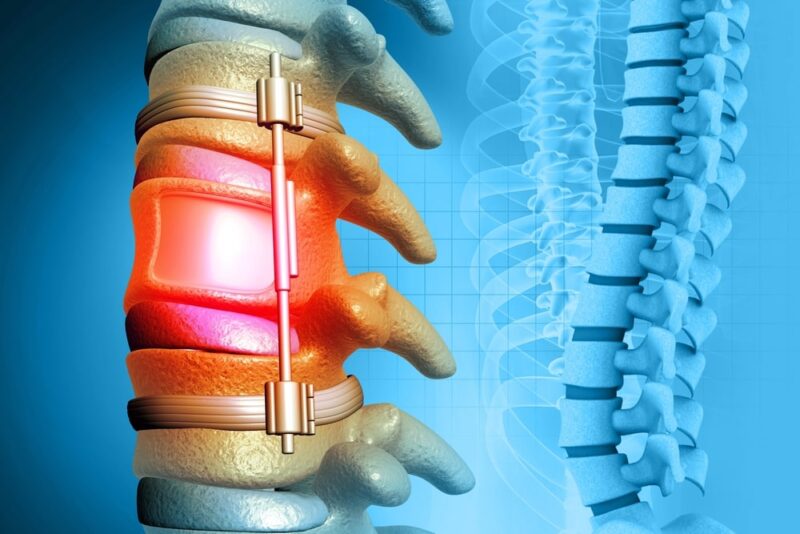
Understanding what will happen during the procedure—such as the use of a motion-preserving disc implant that replaces the damaged disc while maintaining spacing and nerve protection—can also ease anxiety and help patients feel more confident about their surgical plan.
Planning for the Day of Surgery
Disc replacement surgery requires a structured plan for transportation, postoperative support, and activity limitations. Patients typically receive instructions to avoid eating or drinking after a specific time the night before surgery. Comfortable clothing, medication lists, and identification are usually the only items needed for the surgical center. Individuals should arrange transportation both to and from the surgical facility, as driving is not permitted following anesthesia.
Before surgery begins, the care team reviews the procedure, answers last-minute questions, and confirms medical details. Many adults find it helpful to discuss expectations with family members supporting their care—especially regarding lifting restrictions, meal preparation, or mobility assistance in the first few days after surgery.
Understanding what to expect on the day of surgery reduces stress and helps prevent last-minute uncertainty, allowing patients to focus on recovery rather than logistics.
Setting Up a Supportive Recovery Environment at Home
Establishing a comfortable recovery environment at home is one of the most important aspects of preparing for disc replacement surgery. Patients often begin by adjusting furniture to avoid unnecessary bending or twisting, organizing essential items at waist height, and preparing meals ahead of time. Those who live in multi-story homes may set up a temporary sleeping area on the ground floor to minimize stair use in the early stages of recovery.
Recovery instructions typically include guidance on walking frequency, incision care, and activity restrictions. Many adults use checklists to track mobility goals, medication schedules, and follow-up appointments as they progress. Planning these details helps ensure a smooth transition from the hospital or surgical center to home.
Mental and Emotional Preparation
Preparing for surgery is not only a physical process but also an emotional one. Many individuals find that learning what to expect, asking questions, and understanding the goals of disc replacement help ease uncertainty. Visualization of recovery milestones, journaling concerns, or discussing expectations with loved ones can contribute to a calmer mindset leading into surgery.
Some adults feel more confident when they understand the long-term benefits of disc replacement, such as preserving motion at the treated level, reducing unnecessary stress on surrounding discs, and addressing chronic nerve compression. By approaching the procedure with clear expectations and a sense of readiness, patients often feel more empowered during both the surgical experience and the recovery period.
Conclusion
Preparing for disc replacement surgery involves understanding each stage of evaluation, optimizing health, and creating a supportive home environment for recovery. Adults researching treatment options in New Jersey can benefit from learning what to expect before surgery and how to engage actively in their preparation process. With thoughtful planning, clear communication, and realistic expectations, individuals can enter surgery more confidently and lay the groundwork for a smoother, more successful recovery.
Sources
Zigler, J. E., Delamarter, R. B. (2012). Five-year results of the ProDisc-L FDA IDE clinical trial. The Spine Journal.
Gornet, M. F., Schranck, F. W. (2013). Cervical disc arthroplasty: patient selection and surgical technique. Journal of Spine Surgery.
Harrod, C. C., Hilibrand, A. S. (2019). Cervical and lumbar disc arthroplasty: past, present, and future. Clinical Spine Surgery.