
Sciatica is a common condition that causes pain, tingling, or numbness that radiates from the lower back down through the buttock and leg, often making everyday activities uncomfortable or even unbearable. Affecting millions of people each year, sciatica isn’t a diagnosis itself but rather a symptom of an underlying issue, such as a herniated disc or spinal stenosis. Understanding what causes sciatica, how to recognize the symptoms, and what treatment options are available can help you take control of your spinal health and find lasting relief. In this blog, we’ll explore the causes, symptoms, and both non-surgical and surgical treatments to help you manage and overcome sciatica effectively.
In This Blog:
- What is Sciatica?
- Common Causes of Sciatica
- Recognizing the Symptoms
- When to See a Doctor
- Diagnostic Approaches
- Non-Surgical Treatment Options
- Surgical Treatments (When Necessary)
What Is Sciatica?
Sciatica refers to pain that follows the path of the sciatic nerve, the longest nerve in the body, which runs from the lower back down through the hips, buttocks, and each leg. This condition usually affects only one side of the body and can range from mild discomfort to severe, debilitating pain. Unlike general lower back pain, sciatica is characterized by radiating pain that often travels below the knee. It’s important to understand that sciatica is not a condition in itself but a symptom of an underlying spinal issue. People between the ages of 30 and 60 are most commonly affected, although it can occur at any age depending on risk factors such as occupation, weight, or lifestyle.
Common Causes of Sciatica
Several spinal conditions and structural issues can put pressure on the sciatic nerve and lead to sciatica. Common causes include:
- Herniated or Slipped Disc: One of the most frequent causes, where the soft center of a spinal disc pushes out and presses on the nerve.
- Spinal Stenosis: Narrowing of the spinal canal that compresses the nerve roots, often due to aging or arthritis.
- Degenerative Disc Disease: Breakdown of spinal discs over time can lead to nerve irritation and inflammation.
- Spondylolisthesis: A condition where one vertebra slips over another, potentially pinching the sciatic nerve.
- Piriformis Syndrome: A muscle deep in the buttocks irritates the sciatic nerve, causing pain.
- Pregnancy: Added weight and changes in posture can put pressure on the sciatic nerve.
- Obesity or Poor Posture: Excess weight and long periods of poor posture can strain the lower spine and trigger sciatica.
Understanding the root cause is crucial for effective treatment and long-term relief.
Recognizing the Symptoms
Sciatica symptoms can vary widely in intensity and duration but typically affect only one side of the lower body. Common signs include:
- Radiating Pain: A sharp, burning, or shooting pain that starts in the lower back or buttock and travels down the leg.
- Numbness or Tingling: A pins-and-needles sensation in the leg or foot, sometimes accompanied by a loss of feeling.
- Muscle Weakness: Difficulty moving the leg or foot, which may make walking or standing challenging.
- Worsening with Movement: Pain often intensifies when sitting for long periods, sneezing, coughing, or making sudden movements.
Symptoms may come and go or persist continuously, depending on the underlying cause and the extent of nerve compression. Identifying these signs early can help prevent the condition from worsening.
When to See a Doctor
While mild sciatica may resolve on its own with rest and self-care, certain red flags indicate the need for professional medical evaluation. You should see a doctor if you experience:
- Pain lasting more than a week or that continues to worsen
- Severe or sudden onset of symptoms
- Numbness, tingling, or muscle weakness that affects your ability to move or function normally
- Loss of bladder or bowel control, which could signal cauda equina syndrome, a rare but serious medical emergency
Prompt diagnosis and treatment are essential to prevent permanent nerve damage and to get relief from chronic pain.
Diagnostic Approaches
Diagnosing sciatica involves a combination of a physical exam, medical history, and imaging tests to pinpoint the underlying cause of nerve compression. During the physical exam, your doctor may ask you to perform simple movements, such as walking on your toes or lifting your leg, to assess strength, reflexes, and flexibility. A detailed medical history helps identify potential risk factors or prior injuries.
To confirm the diagnosis or rule out other conditions, imaging tests may be ordered, including:
- X-rays: To detect bone spurs or spinal misalignment.
- MRI (Magnetic Resonance Imaging): Provides detailed images of soft tissues, including discs and nerves.
- CT Scan: Often used with contrast dye (CT myelogram) to visualize the spinal cord and nerve roots.
- Electromyography (EMG): Measures electrical activity in muscles and can detect nerve damage.
These tools allow healthcare providers to develop a targeted treatment plan based on the specific cause and severity of your sciatica.
Non-Surgical Treatment Options
For most individuals with sciatica, non-surgical treatments provide significant relief and are typically the first line of care. Common approaches include:
- Rest and Activity Modification: Short-term rest can reduce inflammation, but prolonged inactivity should be avoided. Gentle movement is often encouraged.
- Physical Therapy: Tailored stretching and strengthening exercises can relieve pressure on the sciatic nerve, improve mobility, and prevent recurrence.
- Medications: Over-the-counter anti-inflammatories (like ibuprofen) and muscle relaxants can help manage pain and inflammation.
- Heat and Ice Therapy: Alternating between hot and cold compresses can reduce inflammation and ease muscle tension.
- Chiropractic Care: Manual adjustments can realign the spine and relieve nerve pressure for some patients.
- Massage Therapy: Helps loosen tight muscles around the lower back and buttocks, which may be contributing to nerve compression.
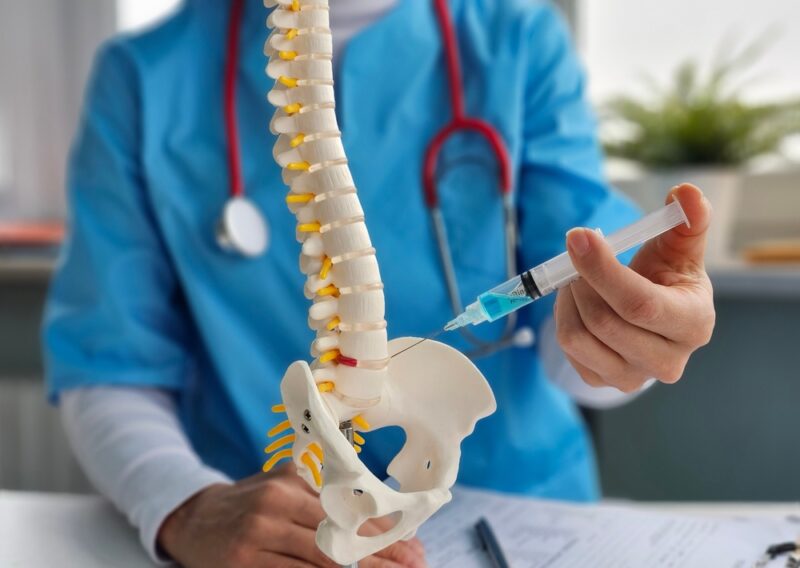
- Epidural Steroid Injections: Delivered directly to the affected area to reduce inflammation and provide temporary relief.
These conservative treatments are often effective within a few weeks, helping patients return to normal activity without the need for surgery.
Surgical Treatments (When Necessary)
While most cases of sciatica can be managed with conservative methods, surgery may be considered if symptoms persist for more than 6 to 12 weeks or if there is significant nerve compression causing weakness, severe pain, or loss of function. Common surgical options include:
- Microdiscectomy: A minimally invasive procedure to remove the portion of a herniated disc pressing on the sciatic nerve.
- Laminectomy: Removal of part of the vertebral bone (lamina) to relieve pressure on the nerve root, often used in cases of spinal stenosis.
- Spinal Fusion: In more complex cases involving instability, this procedure joins two or more vertebrae to provide support.
Surgery typically offers good outcomes for appropriately selected patients, especially those with clear anatomical causes of sciatica. Recovery times vary but often include physical therapy and a gradual return to activity.
Conclusion
Sciatica can be painful and disruptive, but with the right diagnosis and treatment plan, relief is within reach. From lifestyle changes and physical therapy to advanced imaging and, in some cases, surgery, a range of solutions is available to help you reclaim your comfort and mobility. Early intervention and understanding your treatment options are key to preventing long-term complications and getting back to the activities you enjoy.
If you’re experiencing symptoms of sciatica, don’t wait for the pain to worsen. Schedule a consultation with our spinal health specialists at Comprehensive Spine Care to receive a personalized evaluation and begin your journey toward relief. Let us help you move forward—pain-free.