Living with chronic pain can be physically and emotionally exhausting, especially when conventional treatments like medications, physical therapy, or even surgery fail to provide lasting relief. For many individuals facing persistent back, leg, or nerve-related pain, spinal cord stimulation (SCS) offers a promising solution. This innovative therapy uses mild electrical impulses to interfere with pain signals before they reach the brain, which provides significant, targeted relief. In this blog, we’ll explore how spinal cord stimulation works, the conditions it treats, and why it’s considered a breakthrough treatment for managing chronic pain.
In This Blog:
- What is Spinal Cord Stimulation?
- Conditions Treated with Spinal Cord Stimulation
- How the Procedure Works
- Benefits of Spinal Cord Stimulation
- Risks and Considerations
- Who is a Candidate for Spinal Cord Stimulation?
- Life After Spinal Cord Stimulation
What Is Spinal Cord Stimulation?
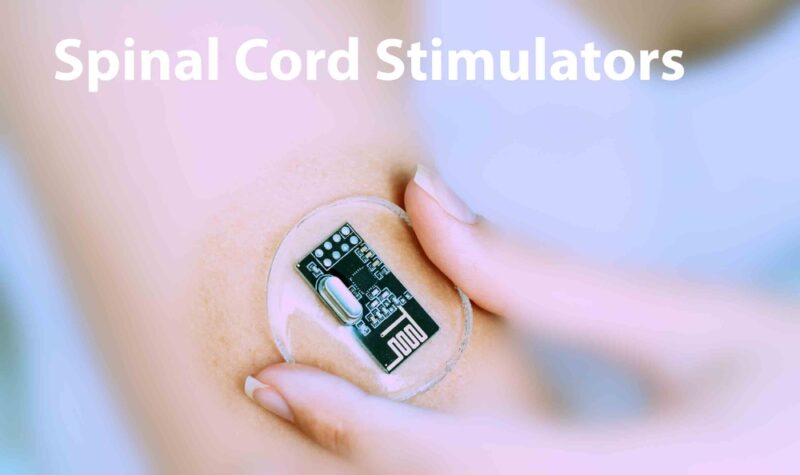
Spinal cord stimulation (SCS) is an advanced pain management technique that uses low-voltage electrical currents to block pain signals from reaching the brain. A small device, similar to a pacemaker, is implanted under the skin and connected to electrodes placed near the spinal cord. When activated, the device sends controlled electrical impulses that interfere with pain signals traveling along nerve pathways.
This therapy doesn’t eliminate the source of pain but instead alters how the brain perceives it, offering significant relief to patients who have not responded well to other treatments. Modern spinal cord stimulators come in various forms, including traditional systems that produce a tingling sensation (paresthesia) and high-frequency models that offer pain relief without any noticeable sensation.
Conditions Treated with Spinal Cord Stimulation
Spinal cord stimulation is most often recommended for patients with chronic, neuropathic pain that has not improved with conservative treatment. Some of the most common conditions treated with SCS include:
- Failed Back Surgery Syndrome (FBSS): Persistent pain following one or more back surgeries.
- Complex Regional Pain Syndrome (CRPS): A severe, chronic pain condition affecting a limb, often after injury or surgery.
- Peripheral Neuropathy: Nerve damage, especially in the hands and feet, often related to diabetes.
- Spinal Stenosis and Degenerative Disc Disease: Age-related spine conditions that cause chronic back and leg pain.
- Chronic Sciatica or Radiculopathy: Ongoing nerve root irritation causing leg or arm pain.
In many of these cases, spinal cord stimulation can dramatically reduce pain intensity and improve quality of life.
How the Procedure Works
The process of receiving a spinal cord stimulator involves two main stages: a trial phase and a permanent implantation.
- Trial Phase: During the trial, temporary electrodes are placed near the spinal cord through a minimally invasive procedure. These electrodes are connected to an external stimulator worn on a belt. Patients typically use the device for about a week to determine if it provides effective pain relief.
- Permanent Implantation: If the trial is successful, usually defined as at least 50% pain reduction, a permanent device is implanted. The pulse generator is placed under the skin, usually in the abdomen or buttocks, and connected to internal electrodes.
The entire procedure is typically performed on an outpatient basis under local anesthesia and sedation. Once implanted, patients use a handheld remote to adjust stimulation settings according to their comfort and pain levels. Follow-up appointments are necessary to fine-tune the programming and ensure optimal results.
Benefits of Spinal Cord Stimulation
Spinal cord stimulation offers several significant advantages for individuals living with chronic pain:
- Effective Pain Relief: Many patients experience a 50–70% reduction in pain, improving both mobility and daily function.
- Reduction in Medication Use: SCS can decrease the need for opioid or other pain medications, reducing the risk of dependence or side effects.
- Customizable Pain Control: Patients can adjust the stimulation level and frequency using a remote control to meet their specific pain needs.
- Improved Quality of Life: With better pain management, many patients report improved sleep, mood, and the ability to engage in daily activities.
- Reversible and Non-Destructive: The device can be turned off or removed at any time, and it doesn’t cause permanent changes to the spine or nervous system.
These benefits make SCS a compelling option for individuals who have exhausted more conservative approaches without achieving lasting relief.
Risks and Considerations
As with any medical procedure, spinal cord stimulation carries some risks and limitations. Understanding these factors is essential for making an informed decision:
- Infection: As with any implantable device, there is a risk of infection at the surgical site.
- Device Malfunction or Lead Migration: The leads can shift, or the device may stop working properly, which may require reprogramming or surgical revision.
- Pain at Implant Site: Some patients report discomfort or tenderness around the implanted pulse generator.
- Battery Replacement: Devices powered by rechargeable batteries require regular charging, while non-rechargeable models may need replacement every few years.
- Not Suitable for Everyone: Individuals with certain medical conditions, untreated psychological disorders, or unrealistic expectations may not be good candidates for the procedure.
Close coordination with a pain specialist is critical to evaluate candidacy and minimize risks.
Who Is a Candidate for Spinal Cord Stimulation?
Spinal cord stimulation is generally recommended for patients who:
- Suffer from chronic pain lasting six months or more, particularly in the back, legs, or arms.
- Have not found adequate relief from conservative treatments, such as medications, physical therapy, or surgery.
- Are in good general health and do not have infections or bleeding disorders that would complicate the implantation.
- Are willing to undergo a psychological evaluation, which helps ensure that depression, anxiety, or other mental health factors are not contributing to pain perception.
- Can successfully complete a trial period showing a meaningful reduction in pain.
Not every patient is a candidate for SCS, but for the right individuals, it offers a life-changing alternative to long-term medication use and ongoing suffering.
Life After Spinal Cord Stimulation
Many patients report a dramatic improvement in their quality of life after receiving spinal cord stimulation. However, long-term success depends on proper follow-up care and realistic expectations. Here’s what to expect:
- Device Programming Adjustments: After implantation, follow-up visits are essential to fine-tune stimulation settings for optimal pain relief.
- Physical Activity Guidelines: Patients are usually advised to avoid strenuous bending, twisting, or heavy lifting during the early recovery period. Over time, most can resume normal activities with greater comfort.
- Ongoing Pain Management: While SCS can reduce pain significantly, it is most effective when combined with other treatments like physical therapy, exercise, or cognitive behavioral therapy.
- Battery Maintenance: Rechargeable devices require regular charging, which typically becomes a routine part of daily or weekly life.
- Long-Term Satisfaction: Studies show high patient satisfaction rates with SCS, with many patients experiencing sustained pain relief for years.
Ultimately, spinal cord stimulation can provide a path back to a more active, fulfilling life for those who have struggled with persistent, debilitating pain.
Conclusion
Spinal cord stimulation represents a major advancement in the treatment of chronic pain, especially for those who have exhausted other options without success. By disrupting pain signals at their source, this therapy offers real, long-lasting relief and the chance to reclaim daily life. While it may not be the right choice for everyone, a careful evaluation by a spine or pain specialist can determine whether you’re a candidate for this transformative treatment.
Ready to take control of your chronic pain?
At Comprehensive Spine Care, our experienced specialists offer advanced treatments like spinal cord stimulation to help you find lasting relief. If you’ve been struggling with back, leg, or nerve pain that hasn’t improved with other therapies, we’re here to help.
Contact Comprehensive Spine Care today to schedule a consultation and discover if spinal cord stimulation is right for you.