
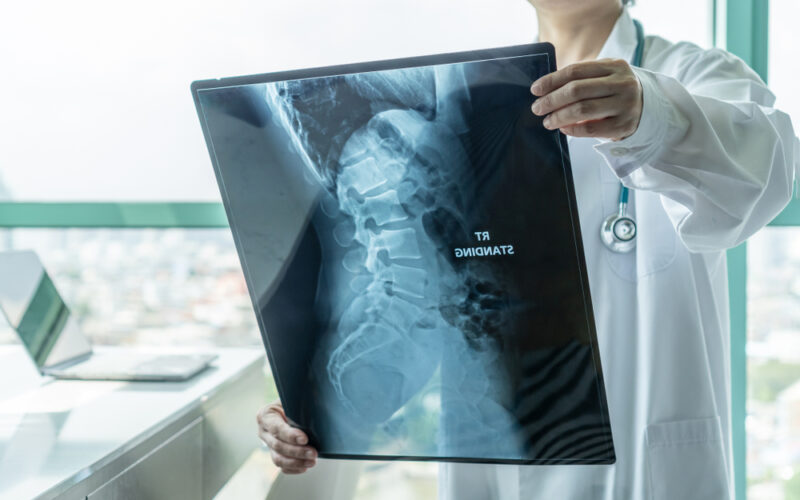
A spinal fracture is more than just a broken bone and it can have serious consequences for mobility, nerve function, and overall health if not addressed promptly. Whether caused by trauma, osteoporosis, or underlying medical conditions, spinal fractures require timely diagnosis and appropriate treatment to prevent long-term complications. Recognizing the early signs and understanding available treatment options is essential for achieving the best possible outcome. In this blog, we’ll explore the different types of spinal fractures, how to identify their warning signs, and the most effective treatment and recovery strategies to support spinal health.
In This Blog:
- Understanding Spinal Fractures
- Early Signs and Symptoms to Watch For
- When to Seek Medical Attention
- Non-Surgical Treatment Options
- Surgical Treatments for Severe Fractures
- Recovery and Long-Term Care
Understanding Spinal Fractures
Spinal fractures occur when one or more of the vertebrae, the bones that make up your spine, are broken or compressed. These injuries can range from mild to severe and may result from high-impact trauma such as car accidents or falls, or from weakened bones due to conditions like osteoporosis or cancer.
There are several types of spinal fractures:
- Compression Fractures: Often seen in people with osteoporosis, these fractures occur when the front part of a vertebra collapses.
- Burst Fractures: These involve more severe trauma, causing the vertebra to shatter into multiple pieces, potentially affecting the spinal cord.
- Flexion-Distraction Fractures: Typically caused by sudden deceleration, such as in a car crash, these fractures involve pulling apart of the vertebrae.
- Fracture-Dislocations: A combination of fracture and spinal misalignment, often resulting in instability and neurological issues.
The location of the fracture matters, too. Cervical (neck) fractures can impair head and neck movement and may be life-threatening, while thoracic and lumbar fractures are more commonly associated with mid-to-lower back pain and potential nerve involvement.
Understanding the type and cause of a spinal fracture is critical for developing an effective treatment plan.
Early Signs and Symptoms to Watch For
Early detection of a spinal fracture can prevent worsening symptoms and improve recovery. The symptoms can vary depending on the location and severity of the injury, but common warning signs include:
- Sudden, Severe Back Pain: Especially after a fall, accident, or lifting something heavy, this pain may be localized or radiate to other areas.
- Pain That Worsens with Movement: Bending, twisting, or even walking can intensify discomfort.
- Loss of Height or Stooped Posture: Particularly with compression fractures, individuals may notice a gradual loss of height or a hunched back (kyphosis).
- Numbness or Tingling: These sensations in the arms, legs, or torso could indicate nerve involvement.
- Muscle Weakness: A sign that the spinal cord or nerves may be compressed or damaged.
- Bladder or Bowel Dysfunction: Though less common, this is a serious symptom that could signal spinal cord compression and requires immediate attention.
Recognizing these signs early and seeking medical evaluation can help prevent further injury and ensure appropriate intervention before the condition worsens.
When to Seek Medical Attention
While some back pain may result from minor strains or muscle tension, spinal fractures require immediate medical evaluation. If you’ve experienced trauma such as a fall, car accident, or sports injury, especially if accompanied by back pain, you should not delay seeking professional care. Early diagnosis is crucial to prevent complications like nerve damage, spinal instability, or permanent deformity.
Red flags to watch for include:
- Intense or persistent back pain following trauma
- Pain that doesn’t improve with rest
- New weakness, numbness, or tingling in the arms or legs
- Difficulty walking or maintaining balance
- Loss of bowel or bladder control
During a medical visit, your provider will perform a physical exam and order imaging studies such as X-rays, CT scans, or MRIs to assess the extent and type of fracture. Identifying the precise nature of the injury is essential to determine whether conservative care or surgical intervention is required.
Non-Surgical Treatment Options
For many spinal fractures, particularly stable compression fractures, non-surgical treatments can be effective in relieving pain and promoting healing. The approach depends on the fracture type, severity, and the patient’s overall health.
Common non-surgical treatments include:
- Pain Management: Over-the-counter pain relievers like acetaminophen or NSAIDs can help reduce inflammation and discomfort. In some cases, prescription medications or muscle relaxants may be necessary.
- Bracing: A spinal brace or orthotic device can stabilize the injured area, reduce movement, and promote healing by taking pressure off the fractured vertebra.
- Rest and Activity Modification: Short periods of rest followed by gradual return to activity help prevent deconditioning. Avoiding heavy lifting or twisting movements is essential during recovery.
- Physical Therapy: Once pain subsides, targeted exercises can strengthen the muscles supporting the spine, improve posture, and reduce the risk of future fractures.
For individuals with osteoporosis-related fractures, bone-strengthening medications and dietary changes may also be recommended to improve long-term spinal health and prevent additional injuries.
Surgical Treatments for Severe Fractures
When a spinal fracture is unstable, causes significant spinal cord or nerve compression, or fails to respond to conservative treatment, surgery may be necessary. The goal of surgical intervention is to stabilize the spine, relieve pressure on the spinal cord or nerves, and restore proper alignment.
Common surgical procedures include:
- Vertebroplasty and Kyphoplasty: These minimally invasive techniques are often used for compression fractures. In vertebroplasty, medical-grade cement is injected into the fractured vertebra to stabilize it. Kyphoplasty adds the use of a balloon to restore vertebral height before cement is applied.
- Spinal Fusion: This procedure joins two or more vertebrae together using bone grafts, screws, and rods. It’s typically used for more complex or unstable fractures.
- Decompression Surgery: If a fracture causes pressure on the spinal cord or nerves, decompression may be required to relieve symptoms such as numbness, weakness, or loss of function.
Surgical treatment is customized to each patient’s needs and may involve collaboration between orthopedic surgeons and neurosurgeons. Recovery from surgery can vary, but physical therapy and follow-up care are crucial to ensuring long-term stability and function.
Recovery and Long-Term Care
Healing from a spinal fracture takes time and a carefully managed recovery plan. The duration and intensity of recovery depend on the type of fracture, the chosen treatment approach, and the patient’s overall health and bone quality.
Key components of recovery include:
- Gradual Return to Activity: Patients are typically advised to avoid high-impact or strenuous activities for several weeks to months. Movement is reintroduced gradually to prevent reinjury.
- Physical Therapy: Tailored exercises improve flexibility, core strength, and posture—helping to support the spine and restore functional movement.
- Ongoing Pain Management: Medications, cold/heat therapy, and other modalities may be used to control lingering pain as the spine heals.
- Bone Health Monitoring: For fractures related to osteoporosis or cancer, long-term management of the underlying condition is essential. This may involve medications, supplements, dietary changes, and regular bone density screenings.
Patients who commit to a structured rehabilitation plan often regain their mobility and quality of life. Follow-up appointments with spine specialists ensure that healing progresses and any complications are addressed promptly.
Conclusion
Spinal fractures are serious injuries that require prompt recognition and tailored treatment to prevent long-term complications. Whether caused by trauma, osteoporosis, or another underlying condition, early diagnosis and appropriate intervention, ranging from conservative care to surgical repair, can lead to successful recovery. With a proactive approach that includes physical therapy, bone health management, and lifestyle adjustments, many individuals can return to a pain-free and active life.
If you’re experiencing persistent back pain or suspect a spinal injury, don’t wait to seek help. Contact our spine care specialists at Comprehensive Spine Care today to schedule a comprehensive evaluation and receive a personalized treatment plan designed to support your recovery and long-term spinal health. Your path to healing starts here.