
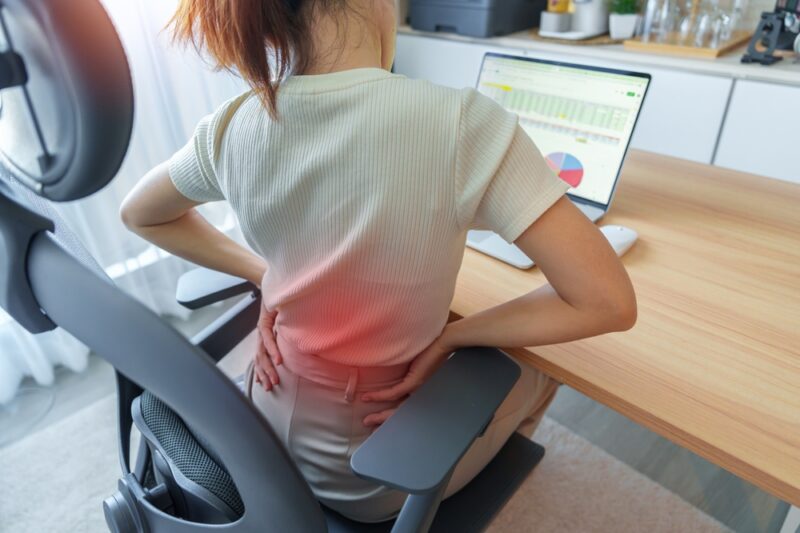
When it comes to spinal health, myths and misconceptions are everywhere. From advice to stay in bed when your back hurts, to the belief that surgery is the only fix for spinal problems, these misunderstandings can lead to unnecessary worry, or worse, poor decisions about care. The truth is, many common back and spine issues can be prevented, managed, or treated without extreme measures. In this blog, we’ll debunk some of the most widespread spinal health myths and reveal the facts you need to know to keep your back strong, flexible, and pain-free.
In This Blog:
- Myth: Back Pain Always Means a Serious Problem
- Myth: Bed Rest Is the Best Cure for Back Pain
- Myth: Surgery Is the Only Solution for Spinal Issues
- Myth: Lifting Heavy Objects Always Causes Back Injury
- Myth: Good Posture Means Sitting Up Straight All the Time
- Myth: Spinal Problems Are Only an “Older Adult” Issue
- Myth: Cracking Your Back Is Dangerous
- Myth: Exercise Worsens Back Pain
Myth: Back Pain Always Means a Serious Problem
Back pain can be alarming, especially when it comes on suddenly or feels intense. Many people immediately assume it’s a sign of something severe, like a herniated disc or spinal degeneration. The truth is, most back pain is caused by much less serious issues, such as muscle strain, poor posture, or minor injuries. These types of pain often improve with rest, gentle movement, and simple treatments.
That said, it’s important not to ignore pain that doesn’t go away. Warning signs like numbness or tingling in the legs, loss of strength, or changes in bladder or bowel control can indicate more serious conditions and should be evaluated by a spine specialist right away. In most cases, though, back pain isn’t as dangerous as the myths make it sound, and the right care plan can help you feel better without drastic interventions.
Myth: Bed Rest Is the Best Cure for Back Pain
For years, people were told that lying in bed was the safest way to recover from back pain. While it may feel good to rest for a short period, staying in bed too long can actually make the problem worse. Prolonged rest leads to stiff joints, weaker muscles, and slower recovery, which can keep you in pain longer.
Instead, gentle movement and gradual return to activity are far more effective. Walking, stretching, and guided exercises help maintain flexibility and strength, which are crucial for healing. Physical therapy, in particular, is an excellent way to learn safe, targeted movements that support your spine as it recovers. In short, when it comes to back pain, motion is ideal as staying active (with care) is usually the best medicine.
Myth: Surgery Is the Only Solution for Spinal Issues
Hearing the words “spinal problem” often makes people worry that surgery is inevitable. In reality, only a small percentage of patients ever need surgery for back or neck pain. Most spinal issues like muscle strain, disc irritation, or arthritis tend to respond well to conservative, non-surgical treatments.
Options may include physical therapy, chiropractic adjustments, pain management injections, lifestyle modifications, or medications that reduce inflammation and improve comfort. These approaches often relieve symptoms and restore function without the risks or recovery time of surgery. Surgery is typically considered only after conservative care has failed or if there are serious neurological symptoms. Knowing this can ease fear and help patients explore all their options with confidence.
Myth: Lifting Heavy Objects Always Causes Back Injury
Many people believe that simply lifting a heavy item is a guaranteed way to injure the spine. The truth is, it’s not the weight alone that causes problems, rather it’s how you lift. Poor technique, such as bending at the waist or twisting suddenly, can strain the back even with lighter objects. On the other hand, lifting correctly, which consists of lifting with your legs, keeping the object close to your body, and maintaining a neutral spine, can protect your back even when handling heavier loads.
In fact, regular strength training and core exercises can condition your muscles to support your spine, making lifting safer over time. So instead of fearing heavy objects, the focus should be on building strength, using proper form, and listening to your body to prevent injury.
Myth: Good Posture Means Sitting Up Straight All the Time
“Sit up straight!” is advice many of us heard growing up, but the idea that perfect posture means staying stiff and upright all day is a myth. In reality, holding any position too long, even a “good” one, can strain your spine and muscles. Instead of locking your back into a rigid position, it’s healthier to think of posture as dynamic.
The best approach is to change positions often, alternate between sitting and standing if possible, and set up your workstation ergonomically. Using lumbar support, adjusting your chair and monitor height, and taking regular breaks to stretch and move can reduce stress on your spine. Good posture isn’t about staying perfectly straight, rather it’s about balance, comfort, and movement.
Myth: Spinal Problems Are Only an “Older Adult” Issue
While it’s true that age-related changes like arthritis and disc degeneration are more common in older adults, spinal problems can affect people of all ages. Young adults may develop back pain from sports injuries, poor posture, or long hours at a desk. Even teenagers can experience spinal issues such as scoliosis or strain from carrying heavy backpacks.
Spinal health should be a priority at every stage of life. Practicing good habits like staying active, strengthening core muscles, and avoiding prolonged sitting can also help protect the spine early on and prevent problems later. The spine doesn’t “wait until old age” to show signs of stress, so awareness and prevention are important for everyone.
Myth: Cracking Your Back Is Dangerous
Many people worry that cracking or “popping” the back is harmful, imagining bones shifting out of place. In reality, that popping sound is usually just gas being released from the joints, not the cracking of bones. Occasional self-cracking is generally harmless if it brings relief and isn’t forced.
However, problems arise if cracking becomes painful, excessive, or is done with force that strains the spine. In those cases, it’s best to seek help from a chiropractor, physical therapist, or spine specialist who can safely adjust the joints and address the root cause of stiffness. Cracking alone isn’t inherently dangerous, but relying on it too much without addressing posture, mobility, or strength issues can be.
Myth: Exercise Worsens Back Pain
It’s common to fear movement when you’re dealing with back pain, but avoiding exercise entirely can actually prolong discomfort. While high-impact or incorrect exercises may aggravate the problem, the right types of activity can promote healing and prevent future pain.
Gentle stretching, low-impact cardio like walking or swimming, and core-strengthening routines are often recommended to support spinal health. Exercise increases blood flow, keeps muscles flexible, and builds stability around the spine. When guided by a healthcare professional, exercise is one of the most powerful tools for managing and preventing back pain, not a cause of it.
Conclusion:
Spinal health is often clouded by myths that cause unnecessary fear or lead to unhelpful habits. The truth is, most back problems can be managed with practical strategies like staying active, practicing good posture habits, and seeking professional care when needed. Surgery and serious conditions are far less common than many people think. By understanding the facts and letting go of these common myths, you can take control of your spinal health with confidence. A strong, flexible, and well-cared-for spine supports not just your back, but your overall quality of life.
Struggling with back pain? Don’t let myths hold you back. At Comprehensive Spine Care, our specialists in New Jersey and New York offer personalized, advanced treatments to keep your spine healthy. Schedule your consultation today!