
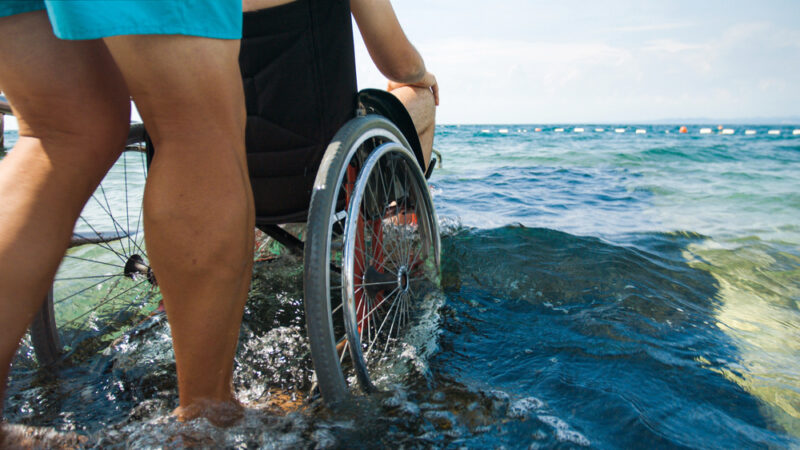
Swimming isn’t just a refreshing way to stay active. It’s also one of the most spine-friendly forms of exercise. The buoyancy of water naturally supports your body, reducing pressure on the spine while allowing you to move freely and without pain. For individuals recovering from spinal injuries, managing chronic back conditions, or simply wanting to maintain a healthy spine, swimming offers a unique blend of low-impact conditioning, gentle stretching, and full-body strengthening. Whether you’re gliding through laps or engaging in targeted aquatic therapy, swimming can play a vital role in improving mobility, reducing discomfort, and supporting long-term spinal health.
In This Blog:
- Why Swimming is Gentle on the Spine
- Improving Spinal Flexibility and Range of Motion
- Building Core and Back Strength Safely
- Reducing Pain and Inflammation
- Supporting Post-Surgical and Injury Recovery
- Mental Health and Stress Relief Benefits
- Tips for Swimming Safely with Spinal Issues
Why Swimming is Gentle on the Spine
Swimming is one of the few exercises that provides a full-body workout while placing minimal stress on the spine. This is due to the buoyancy of water, which counteracts the effects of gravity and supports up to 90% of your body weight when you’re submerged. As a result, your spinal discs, joints, and ligaments experience far less compression than they would during weight-bearing activities like jogging, tennis, or weightlifting.
For people with degenerative disc disease, spinal arthritis, scoliosis, or chronic lower back pain, this reduced load can be a game changer, allowing them to stay active without worsening their condition. Unlike high-impact exercises that can jolt or twist the spine, swimming promotes smooth, controlled movements that keep the back in a neutral position. This helps maintain proper spinal alignment and reduces the risk of strain or injury.
Even for those in recovery from spinal surgery, aquatic therapy provides a safe starting point to rebuild strength and mobility. By creating an environment where the spine is protected from impact, swimming allows patients to maintain cardiovascular fitness and muscle tone while still respecting their healing process.
Improving Spinal Flexibility and Range of Motion
Swimming isn’t just about cardiovascular endurance. It also plays a significant role in maintaining and improving flexibility. The water’s gentle resistance encourages you to reach, twist, and extend your body through a natural range of motion, which can be especially beneficial for those with stiffness from injury, surgery, or chronic spinal conditions.
Different swimming strokes naturally engage various muscle groups in the back, shoulders, and core. For example, the backstroke promotes shoulder and thoracic spine mobility, while the breaststroke encourages hip and lower back flexibility. The even, rhythmic movements help to gently stretch muscles and ligaments surrounding the spine without forcing the joints beyond their limits.
Warm-water pools take these benefits even further by relaxing tight muscles, improving blood flow, and easing joint stiffness. This combination of warmth, buoyancy, and controlled movement can help patients regain spinal flexibility more quickly than land-based stretching alone. Over time, increased flexibility improves posture, reduces the risk of re-injury, and enhances the spine’s ability to adapt to daily activities.
Building Core and Back Strength Safely
A strong core is essential for spinal health because it helps stabilize the spine, supports good posture, and reduces the risk of injury. Swimming naturally engages the muscles in your abdomen, lower back, hips, and shoulders, creating a balanced workout that strengthens the muscles surrounding the spine without overloading them.
The gentle resistance of water forces your muscles to work throughout every stroke. For example:
- Freestyle and backstroke target the lower back and oblique muscles while promoting hip stability.
- Breaststroke activates the upper and mid-back muscles, helping to improve shoulder blade stability and posture.
- Flutter kicking strengthens the lower core and glutes, which are key to maintaining spinal alignment.
Because water distributes resistance evenly in all directions, you avoid the jerky, high-impact forces that can strain muscles or aggravate spinal injuries on land. For those recovering from surgery or dealing with chronic conditions, aquatic exercises like pool planks, wall push-offs, and flutter kicks can be tailored to match individual strength levels, ensuring a gradual and safe progression.
Reducing Pain and Inflammation
Swimming and aquatic therapy can help manage pain and inflammation in several ways. First, the buoyancy of water eases the load on painful joints and spinal structures, allowing you to move more freely without discomfort. Second, the hydrostatic pressure of water improves circulation and reduces swelling in the back and surrounding muscles.
Warm-water swimming can be especially soothing for individuals with spinal arthritis, muscle spasms, or nerve-related pain. The heat relaxes tense muscles, while rhythmic movements promote the release of endorphins, your body’s natural painkillers.
For people living with conditions like herniated discs, sciatica, or spinal stenosis, water-based activity can serve as an important pain management tool. By allowing safe movement without aggravating inflammation, swimming can break the cycle of inactivity and stiffness that often worsens spinal discomfort. Many physical therapists even incorporate underwater treadmills or gentle resistance paddles to help patients rebuild strength while controlling pain levels.
Supporting Post-Surgical and Injury Recovery
Swimming and aquatic therapy are often recommended during spinal rehabilitation because they allow patients to reintroduce movement in a safe, controlled environment. After spinal surgery, such as a laminectomy, discectomy, or spinal fusion, the spine needs time to heal before it can handle full weight-bearing activities. Water’s buoyancy supports the body and reduces stress on the surgical site, making it easier to begin gentle strengthening and mobility exercises without risking re-injury.
Aquatic therapy programs may include:
- Gentle walking or marching in the pool to restore coordination and gait mechanics.
- Knee-to-chest stretches for lower back flexibility.
- Back-floating exercises to engage core muscles while maintaining spinal alignment.
These movements not only help restore strength and flexibility but also promote circulation, which aids in healing. For those recovering from spinal injuries like fractures or disc herniations, water-based rehab provides a bridge between immobilization and full return to daily activity, helping patients regain confidence and reduce fear of movement.
Mental Health and Stress Relief Benefits
Spinal health isn’t just about physical recovery. Mental well-being plays a major role in healing and pain management. Swimming offers unique mental health benefits that can help patients manage the emotional challenges of living with spinal conditions.
The rhythmic nature of swimming strokes and breathing patterns creates a meditative effect, helping to lower stress hormones and promote relaxation. Reduced stress is particularly important for spinal health because chronic tension can cause muscles to tighten, which in turn puts more pressure on the spine.
In addition, the release of endorphins during swimming can boost mood, improve sleep quality, and combat the anxiety or depression that sometimes accompanies chronic pain or long recovery periods. The sense of weightlessness in water also has a calming, almost therapeutic effect, making swimming not just an exercise for the body, but a restorative practice for the mind.
Tips for Swimming Safely with Spinal Issues
While swimming offers many benefits for spinal health, it’s important to approach it with care, especially if you’re recovering from an injury or surgery. Following a few safety guidelines can help you maximize the benefits while minimizing the risks:
- Consult Your Healthcare Provider First: Before starting or resuming swimming, get clearance from your spine specialist or physical therapist to ensure the activity is safe for your specific condition.
- Choose the Right Strokes: Some strokes, like the butterfly, place more strain on the lower back and should be avoided in early recovery. The backstroke and gentle freestyle are typically more spine-friendly.
- Start Slow and Build Gradually: Begin with shorter swim sessions or water-walking exercises, then increase intensity and duration as your strength improves.
- Use Proper Technique: Incorrect swimming form can place unnecessary strain on your spine. Consider working with a coach, therapist, or aquatic trainer to refine your technique.
- Incorporate Warm-Up and Cool-Down Exercises: Gentle stretches before and after swimming help prevent stiffness and reduce injury risk.
- Listen to Your Body: If you experience increased pain or discomfort, stop and rest. Adjust your technique or switch to a less demanding movement.
By taking these precautions, you can make swimming a safe and effective part of your spinal health routine.
Conclusion
Swimming is one of the most versatile, low-impact exercises for promoting spinal health and supporting recovery. Its combination of buoyancy, resistance, and gentle movement helps protect the spine while improving flexibility, building core strength, reducing pain, and supporting mental well-being. Whether you’re recovering from surgery, managing a chronic condition, or simply aiming to protect your back for the future, swimming can be a powerful tool in your health and wellness plan.
At Comprehensive Spine Care, we believe that personalized treatment plans, including safe, targeted exercise, are essential for lasting results. If you’re interested in learning how swimming or aquatic therapy could fit into your spinal health program, contact our team today to schedule a consultation. Let’s work together to help you move with confidence, strength, and comfort again.